
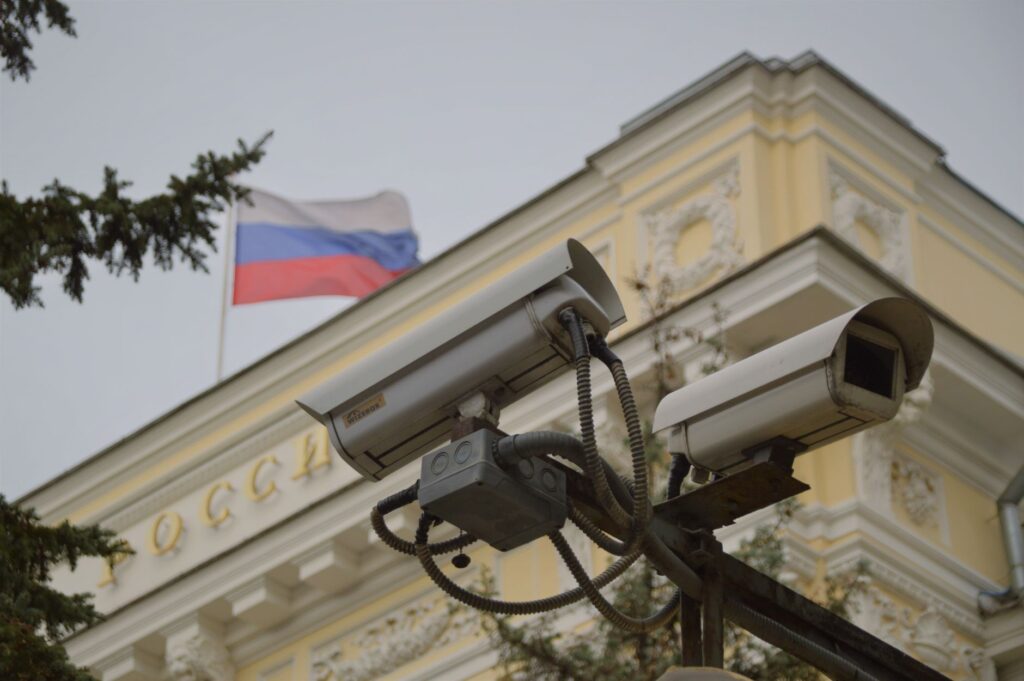
BRICS visit security measures are paramount as 30,000 personnel are deployed to ensure the safety of leaders Xi Jinping and Vladimir Putin during their visit.
Overview of the BRICS Summit
The upcoming BRICS Summit is set to attract significant international attention, prompting extensive security measures to ensure the safety of attendees. With approximately 30,000 personnel deployed for the event, authorities are leaving no stone unturned in their preparations. This marks one of the largest security operations in recent history for such a high-profile gathering.
Each leader will be housed in separate hotels to minimize risks and enhance security protocols. The decision to keep leaders like Xi Jinping and Vladimir Putin at different locations underscores the importance of maintaining tight security during the BRICS visit. The heightened measures are a response to the complex geopolitical climate, where international tensions could heighten the need for vigilance.
In addition to personnel, advanced surveillance technologies and rapid response units will be deployed throughout the venue and surrounding areas. Security experts have emphasized the necessity of these measures, noting the evolving threats faced during such summits. As nations prepare to engage in discussions on economic cooperation and development, the focus on security cannot be overstated.
As the date approaches, both local and international communities are keenly observing the preparations, with many hoping the summit will foster enhanced collaboration among BRICS nations.
Importance of Security at International Events
Security is a paramount concern during international events, particularly when high-profile leaders are involved. The upcoming BRICS visit necessitates extensive security measures to ensure the safety of all participants and the smooth operation of the summit.
The deployment of 30,000 personnel highlights the importance of security at such a significant gathering. With leaders from nations such as China, Russia, and India in attendance, the risks associated with the event are amplified. The following factors contribute to the heightened security protocols:
- High-Profile Attendees: The presence of influential figures attracts considerable attention, making them potential targets for various threats.
- Political Tensions: Ongoing geopolitical issues may increase the likelihood of protests or other disruptions, necessitating robust security measures.
- Logistical Challenges: Coordinating secure transportation and accommodations for leaders, including separate hotels for Xi and Putin, requires meticulous planning.
In conclusion, the BRICS visit security measures reflect the complexities involved in safeguarding such an important international event. Ensuring the safety of leaders and delegates is vital for fostering diplomatic dialogue and cooperation among member nations.
BRICS Visit Security Measures Explained
The upcoming BRICS summit is set to witness unprecedented security measures as host nation officials have announced the deployment of approximately 30,000 personnel to ensure a safe environment for the leaders attending the event. This extensive security operation highlights the importance of security measures during international gatherings, especially given the high-profile nature of the attendees.
Key features of the security setup include:
- Multiple Security Layers: The security forces will implement a multi-layered approach, incorporating local law enforcement, national security agencies, and private security firms.
- Exclusive Accommodations: World leaders, including Xi Jinping and Vladimir Putin, will be housed in separate hotels to minimize risks and ensure their safety.
- Access Control: Strict access control measures will be enforced around the summit venue, with checkpoints and security screenings at every entry point.
- Intelligence Sharing: Coordination between various security agencies will be crucial for effective threat assessment and response.
These comprehensive BRICS visit security measures aim to provide a secure backdrop for discussions on critical global issues, reaffirming the summit’s significance on the world stage.
Who is Attending the BRICS Summit?
The upcoming BRICS Summit is set to host a range of influential leaders, each representing their respective countries within the bloc. The attendees include:
- Xi Jinping – President of China
- Vladimir Putin – President of Russia
- Narendra Modi – Prime Minister of India
- Jair Bolsonaro – Former President of Brazil
- Cyril Ramaphosa – President of South Africa
- President of Argentina – to be confirmed
- Other invited leaders from various guest countries
With the significance of this summit, security measures are paramount. The host nation has mobilized an impressive 30,000 personnel to ensure the safety of all delegates. This extensive deployment reflects the high security standards required for such an international event. Notably, separate hotels have been arranged for key leaders like Xi and Putin to mitigate potential security risks during their stay. These BRICS visit security measures aim to create a secure environment conducive to productive discussions and negotiations.
Previous BRICS Summits and Security
The history of security measures during previous BRICS summits highlights the increasing complexity and scale of international events. Past gatherings have seen a variety of security protocols implemented to ensure the safety of attending leaders and dignitaries.
At the 2014 BRICS summit in Fortaleza, Brazil, security was tight, with local law enforcement and military personnel deployed in significant numbers. Similarly, the 2016 summit in Goa, India, witnessed extensive planning, which included the establishment of a no-fly zone and heightened police presence.
More recently, the 2022 summit in Uzbekistan showcased advanced security measures, particularly considering the high-profile attendance of leaders such as Xi Jinping and Vladimir Putin. The need for robust security was underscored by geopolitical tensions at the time.
This year, the BRICS visit security measures are particularly notable, with reports indicating that around 30,000 personnel will be deployed for the event. This large-scale security operation reflects not only the stature of the leaders attending but also the growing concerns regarding international safety. Additionally, separate accommodations for leaders, including Xi and Putin, further emphasize the importance of ensuring their security during the summit.
Reactions to the Security Measures
The extensive security measures implemented for the upcoming BRICS visit have sparked a variety of reactions from officials, public figures, and citizens alike. While many have praised the efforts to ensure safety during such a high-profile international event, others have expressed concerns over the scale of the deployment.
Supporters of the security measures argue that the presence of 30,000 personnel is necessary to prevent any potential threats to leaders like Xi Jinping and Vladimir Putin, who are known to attract significant attention. They emphasize that the safety of attendees is paramount, especially given the tensions in various regions around the world.
On the other hand, critics question whether such a large military and police presence is indicative of rising global instability. Some locals have voiced unease over the possible disruptions to daily life caused by roadblocks and increased surveillance. Additionally, there are concerns regarding privacy and civil liberties.
Public opinion remains divided, with some citizens feeling reassured by the stringent measures, while others fear that the focus on security may overshadow the summit’s primary goals. As the BRICS visit approaches, the dialogue surrounding these security measures will likely continue to evolve.
Implications for Global Politics
The deployment of 30,000 personnel for the upcoming BRICS summit highlights the significant implications for global politics, particularly in the context of international cooperation and security. As nations gather to discuss pressing issues, the emphasis on stringent security measures reflects the growing concerns surrounding diplomacy in an increasingly polarized world.
The presence of high-profile leaders, including Xi Jinping and Vladimir Putin, necessitates a robust security framework to prevent potential disruptions. This level of preparedness indicates that the BRICS nations are not only prioritizing safety but also signaling their commitment to maintaining stability during critical discussions.
Furthermore, the decision to arrange separate accommodations for key leaders underscores the heightened sensitivity to security risks, suggesting a cautious approach in managing international relations. The implications of these measures extend beyond the summit itself, potentially influencing how global powers interact in the future.
As countries navigate complex geopolitical landscapes, the security measures associated with the BRICS visit may serve as a precedent for future international gatherings. This summit could redefine approaches to diplomacy, emphasizing that security cannot be overlooked in the pursuit of collaborative solutions to global challenges.
In conclusion, the extensive security measures surrounding the BRICS visit reflect a broader trend in international relations, where safety and cooperation must coexist.
Future of BRICS Cooperation
The future of BRICS cooperation hinges significantly on the ability of member nations to navigate security challenges during their meetings. As demonstrated by the recent deployment of 30,000 personnel for the BRICS visit security measures, ensuring the safety of leaders is paramount for fostering an environment conducive to dialogue and collaboration.
With the ongoing geopolitical shifts, the BRICS nations—comprising Brazil, Russia, India, China, and South Africa—are poised to play a larger role on the global stage. The meticulous planning for security underscores the importance of these gatherings in shaping policies that affect billions worldwide.
- Increased Collaboration: Enhanced security measures may lead to more frequent summits and deeper cooperation among member states.
- Global Influence: Unified responses to international challenges could strengthen BRICS’ position in global politics.
- Public Perception: Effective management of security issues can improve public confidence in the organization.
As the BRICS nations continue to evolve, the emphasis on security during visits will remain critical. This commitment not only protects leaders but also signals a united front in addressing pressing global issues.
The extensive BRICS visit security measures have raised concerns among local residents about potential disruptions. Authorities are assuring the public that the BRICS visit security measures will ensure a safe and smooth experience for both visitors and citizens alike.
Photo by Спиридон Варфаламеев on Pexels
Read the original
Related reading
Trump administration signs: Right Move for Smithsonian Museum · Grounded icebergs Antarctica: Proven AI maps 39,619 icebergs · Yemeni civilians flee: What are the worst impacts of war?