
GIFT City Resilience Hub has been recognized as India’s first MCR2030 ‘Resilience Hub’ by a UN body, marking a significant achievement in sustainable urban development.
What is GIFT City?
GIFT City, short for Gujarat International Finance Tec-City, is a pioneering financial and business hub located in the state of Gujarat, India. Designed to cater to the needs of various financial services, it aims to create a world-class infrastructure that fosters economic growth and innovation. With its strategic location and modern amenities, GIFT City is poised to become a key player in the global financial landscape.
This ambitious project is built on the principles of sustainability and resilience, making it a critical component of India’s economic development. Recently, GIFT City was recognized as India’s first MCR2030 ‘Resilience Hub’ by a United Nations body, highlighting its commitment to addressing climate change and enhancing urban resilience. This recognition places GIFT City at the forefront of global efforts to create cities that can withstand environmental challenges.
As a hub for financial services, GIFT City offers a variety of opportunities for businesses and investors, making it an attractive destination for both local and international stakeholders.
Understanding MCR2030 and Its Importance
The MCR2030 initiative, spearheaded by the United Nations, aims to strengthen urban resilience across the globe. It focuses on enhancing the capacity of cities to withstand and recover from various shocks and stresses, including natural disasters and climate change impacts. The program encourages urban areas to adopt comprehensive strategies for sustainable development and risk management.
Understanding MCR2030 is crucial as it provides a framework for cities to prioritize resilience planning. By integrating resilience into urban policies, cities can improve their infrastructure, social cohesion, and economic stability.
The recognition of GIFT City as India’s first MCR2030 Resilience Hub highlights the importance of proactive measures in urban planning. This designation not only showcases GIFT City’s commitment to sustainability but also serves as a model for other cities in India and beyond. Through collaboration and innovation, the GIFT City Resilience Hub is set to play a pivotal role in fostering resilient urban environments that can better face future challenges.
The Role of UN in Urban Resilience
The recognition of GIFT City as India’s first MCR2030 Resilience Hub highlights the pivotal role of the United Nations in promoting urban resilience across the globe. The UN has been at the forefront of developing frameworks that assist cities in becoming more adaptable to climate change and other urban challenges.
Through initiatives like the MCR2030, the UN aims to:
- Promote collaboration: Facilitate partnerships between governments, private sectors, and communities to enhance resilience planning.
- Provide guidelines: Offer resources and best practices to help cities implement effective resilience strategies.
- Encourage innovation: Support cities in harnessing technology and innovative solutions to address urban vulnerabilities.
By designating GIFT City as a Resilience Hub, the UN underscores its commitment to empowering urban areas in India to build resilience against future challenges, ensuring sustainable growth and development.
Impact of the Resilience Hub on India
The establishment of the GIFT City Resilience Hub marks a significant milestone for India, showcasing the country’s commitment to urban resilience and sustainability. This recognition by the UN body under the MCR2030 initiative emphasizes the importance of preparing cities for climate-related challenges.
As a pioneering Resilience Hub, GIFT City is poised to serve as a model for other urban centers across India. It aims to facilitate knowledge sharing, provide technical assistance, and promote innovative solutions tailored to local contexts. The hub’s focus on enhancing infrastructure, improving disaster response strategies, and fostering community engagement will directly impact the well-being of residents.
Furthermore, the GIFT City Resilience Hub is expected to attract investments, driving economic growth while prioritizing sustainability. By integrating resilience planning into urban development, it sets a precedent for future projects, encouraging cities nationwide to adopt similar frameworks.
Overall, the hub not only contributes to India’s urban planning efforts but also positions the country as a leader in global resilience initiatives.
Future Prospects for GIFT City
The future prospects for GIFT City Resilience Hub look promising as it continues to pave the way for urban resilience in India. With the recent recognition as the first MCR2030 Resilience Hub in the country, GIFT City is set to become a model for sustainable urban development.
One of the key advantages of this recognition is the potential for increased investment and collaboration with international organizations. Experts believe that GIFT City can attract global attention, leading to a flow of resources and expertise that will enhance its resilience strategies.
Moreover, the establishment of the GIFT City Resilience Hub will motivate other cities across India to adopt similar frameworks. This could result in a nationwide movement towards improving urban infrastructure and disaster preparedness.
As GIFT City continues to develop, it will likely focus on integrating innovative technologies and sustainable practices that can serve as benchmarks for future urban projects. The ongoing support from the UN and local stakeholders will play a crucial role in shaping its trajectory.
The GIFT City Resilience Hub has been recognized as a pioneering initiative in urban resilience management. This accolade highlights the significance of the GIFT City Resilience Hub in setting a benchmark for similar projects across India.
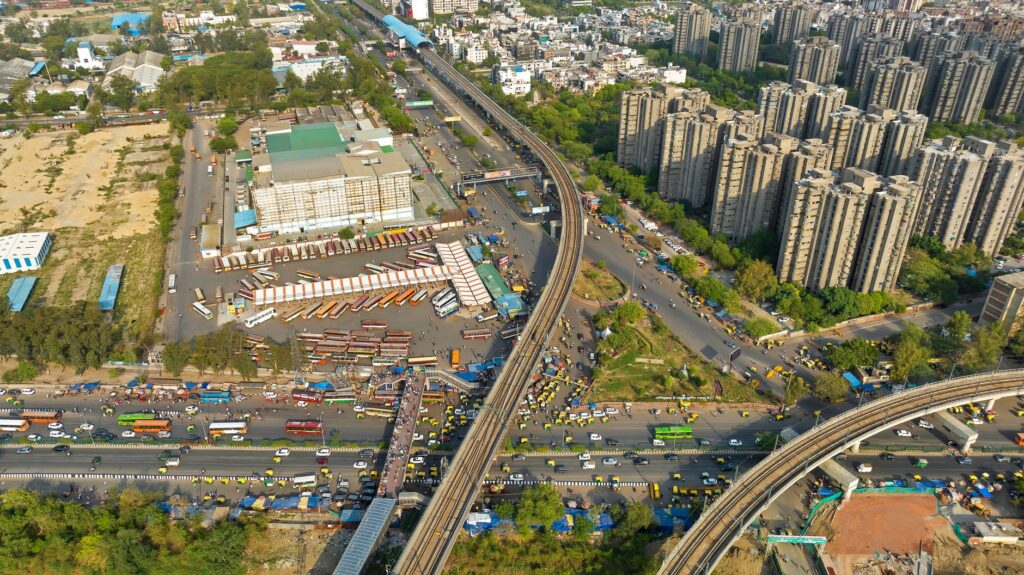
Photo by Anil Sharma on Pexels