
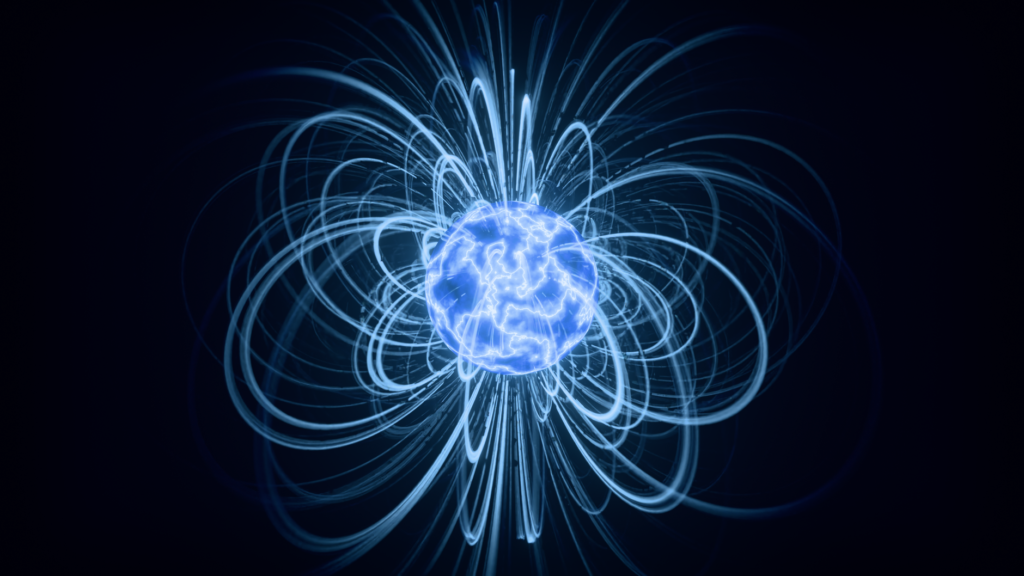
The magnetic network model is revolutionizing electromagnetic analysis in counter-rotating dual-rotor PM-reluctance motors. Recent research highlights its enhanced capabilities and real-world applications.
Introduction to Magnetic Network Models
The magnetic network model has emerged as a pivotal tool in the analysis of electromagnetic systems, significantly enhancing the performance evaluation of various motor designs. This innovative approach focuses on simplifying complex electromagnetic interactions, making it easier for engineers and researchers to understand and optimize motor behavior.
By representing magnetic fields and flux paths through a network of interconnected components, the magnetic network model allows for a detailed examination of the electromagnetic characteristics of machines. This is particularly valuable in the design and analysis of advanced motors, such as the counter-rotating dual-rotor permanent magnet reluctance motor.
The key advantages of employing a magnetic network model include:
- Simplification: Reduces complex electromagnetic phenomena into manageable components.
- Accuracy: Provides precise predictions of motor performance and efficiency.
- Flexibility: Adapts to various motor configurations and designs.
- Efficiency: Saves time in the design process through rapid simulations.
As advancements in motor analysis continue, the magnetic network model stands out as a critical methodology that enhances the understanding and development of next-generation electromagnetic devices.
Understanding Electromagnetic Analysis
Electromagnetic analysis plays a crucial role in the development and optimization of electric motors. The magnetic network model serves as an innovative framework for understanding the complex interactions within these systems. By utilizing this model, engineers can simulate the behavior of various motor components under distinct operating conditions, leading to enhanced performance and efficiency.
One key advantage of the magnetic network model is its ability to represent diverse magnetic circuits, allowing for a more accurate depiction of the motor’s electromagnetic characteristics. This is particularly beneficial in the analysis of counter-rotating dual-rotor PM-reluctance motors, where traditional methods may fall short.
Several advancements have been made in this area, including:
- Improved accuracy: The magnetic network model provides precise calculations of magnetic flux and field distributions.
- Time efficiency: Simulations can be completed more quickly compared to conventional approaches.
- Enhanced design capabilities: Engineers are equipped with better tools for optimizing motor design and performance.
As the industry continues to evolve, the magnetic network model is expected to be integral in future developments, paving the way for more innovative motor designs and applications.
Counter-Rotating Dual-Rotor Motors Explained
The counter-rotating dual-rotor motors represent a significant advancement in motor technology, leveraging the principles of the magnetic network model to enhance performance and efficiency. These motors consist of two rotors that rotate in opposite directions, which leads to a variety of advantages, including reduced torque ripple and improved torque density.
One of the key features of counter-rotating dual-rotor motors is their ability to optimize electromagnetic interactions. This is achieved through the application of an enhanced equivalent magnetic network model, which allows for precise analysis and simulation of the motor’s behavior under various operational conditions.
Key benefits of the counter-rotating dual-rotor design include:
- Increased Efficiency: The counter-rotation minimizes energy losses associated with torque fluctuations.
- Compact Design: This configuration allows for a more compact motor design, contributing to weight savings.
- Enhanced Cooling: Dual rotors facilitate better heat dissipation, prolonging motor life and performance.
As researchers continue to refine the magnetic network model, the future of counter-rotating dual-rotor motors looks promising, with potential applications across various industries, including automotive and aerospace.
Recent Research Findings
Recent research has significantly advanced the field of motor analysis through the development of an enhanced equivalent magnetic network model. This innovative approach has been particularly influential in the study of counter-rotating dual-rotor motors, which are gaining traction due to their efficiency and performance capabilities.
Key findings from recent studies include:
- Improved Accuracy: The magnetic network model has demonstrated a higher level of precision in predicting the electromagnetic behavior of motors, allowing for better design and optimization.
- Efficiency Gains: Researchers have noted that using this model can lead to enhancements in energy efficiency, thereby reducing operational costs for various applications.
- Flexibility in Design: The enhanced model offers greater adaptability, allowing engineers to modify motor designs without compromising performance.
- Real-World Applications: The findings indicate that this model can be applied effectively in various industries, ranging from automotive to aerospace, paving the way for the next generation of motor technology.
As the magnetic network model continues to evolve, its contributions to the understanding and development of advanced motor systems are becoming increasingly evident, marking a pivotal moment in the field of electromagnetic analysis.
Applications of Enhanced Models
The advancements in the magnetic network model have opened new avenues for applications in various fields, particularly in the design and analysis of electric motors. These enhanced models provide a more accurate representation of electromagnetic interactions, leading to improved performance and efficiency in motor systems.
One significant application is in the optimization of counter-rotating dual-rotor motors, where the magnetic network model allows engineers to analyze complex interactions between rotors and stators. By simulating different configurations, designers can identify the most effective designs that minimize losses and enhance torque output.
Additionally, these models facilitate the development of more efficient power electronics integrated with electric machines. By leveraging the insights gained from the magnetic network model, manufacturers can create control strategies that adapt to varying operational conditions, ultimately leading to smoother performance and increased reliability.
Another promising application is in the field of renewable energy, particularly in wind and solar power systems. Accurate electromagnetic analysis using the magnetic network model helps in the design of generators that maximize energy capture and conversion efficiency.
In conclusion, the enhanced magnetic network model plays a crucial role in pushing the boundaries of motor analysis, enabling innovations that benefit multiple sectors.
The Future of Motor Technology
The future of motor technology is poised to witness significant advancements, largely driven by the development and implementation of the magnetic network model. This innovative approach offers a more accurate representation of electromagnetic interactions, enabling engineers to design more efficient and powerful motors.
As industries continue to demand higher performance and energy efficiency, the magnetic network model stands out due to its versatility and precision. Not only does it facilitate the analysis of traditional motor designs, but it also provides insights into cutting-edge technologies such as:
- Counter-rotating dual-rotor motors that maximize torque output
- Permanent magnet reluctance motors that enhance performance while minimizing energy loss
- Advanced control systems that utilize real-time data for optimized motor operation
Furthermore, the integration of artificial intelligence and machine learning with the magnetic network model is opening new avenues for predictive maintenance and operational efficiency. By leveraging these technologies, manufacturers can anticipate potential failures and extend the lifespan of their systems.
In conclusion, the magnetic network model is not just a theoretical framework; it is a pivotal tool that will shape the future of motor technology, driving innovations and setting new standards in performance and sustainability.
Challenges in Electromagnetic Analysis
The advancement of the magnetic network model has significantly improved the analysis of electromagnetic systems; however, several challenges still persist in the field of electromagnetic analysis. These challenges can hinder the efficiency and accuracy of motor design and performance evaluation.
- Complexity of Magnetic Fields: Accurately modeling the intricate magnetic fields within motors remains a daunting task. The spatial variability of magnetic forces can lead to errors in predicting motor performance.
- Material Limitations: The properties of magnetic materials can vary significantly, impacting the effectiveness of the magnetic network model. Developing models that can account for these variations is essential for reliable analysis.
- Computational Demands: High fidelity simulations often require significant computational resources. Balancing model complexity with computational efficiency poses a challenge for engineers and researchers.
- Integration with Other Systems: The interaction between the magnetic network model and other components, such as control systems and thermal management, complicates the overall analysis and optimization of motor systems.
Addressing these challenges is crucial for leveraging the full potential of the magnetic network model in the design and analysis of advanced motor technologies.
Conclusion and Implications
In summary, the advancements in the magnetic network model have significantly impacted the field of motor analysis, particularly in the context of counter-rotating dual-rotor systems. These models offer a sophisticated approach to understanding the complex electromagnetic interactions within motors, leading to improved efficiency and performance.
The implications of these advancements are far-reaching:
- Enhanced Performance: The refined analysis techniques allow for better optimization of motor designs, leading to higher efficiency and power density.
- Cost-Effective Solutions: By utilizing the magnetic network model, manufacturers can reduce development costs associated with prototyping and testing.
- Broader Applications: The insights gained from these models can be applied across various industries, from automotive to renewable energy, expanding the potential for innovation.
- Future Research Directions: Continued exploration of the magnetic network model may unlock new applications and technologies, driving forward the evolution of electric motors.
Ultimately, the magnetic network model not only enhances our understanding of electromagnetic analysis but also paves the way for smarter and more efficient motor technologies. As research progresses, the potential for these models to revolutionize motor design and application continues to grow.
Photo by Nicola Narracci on Pexels