
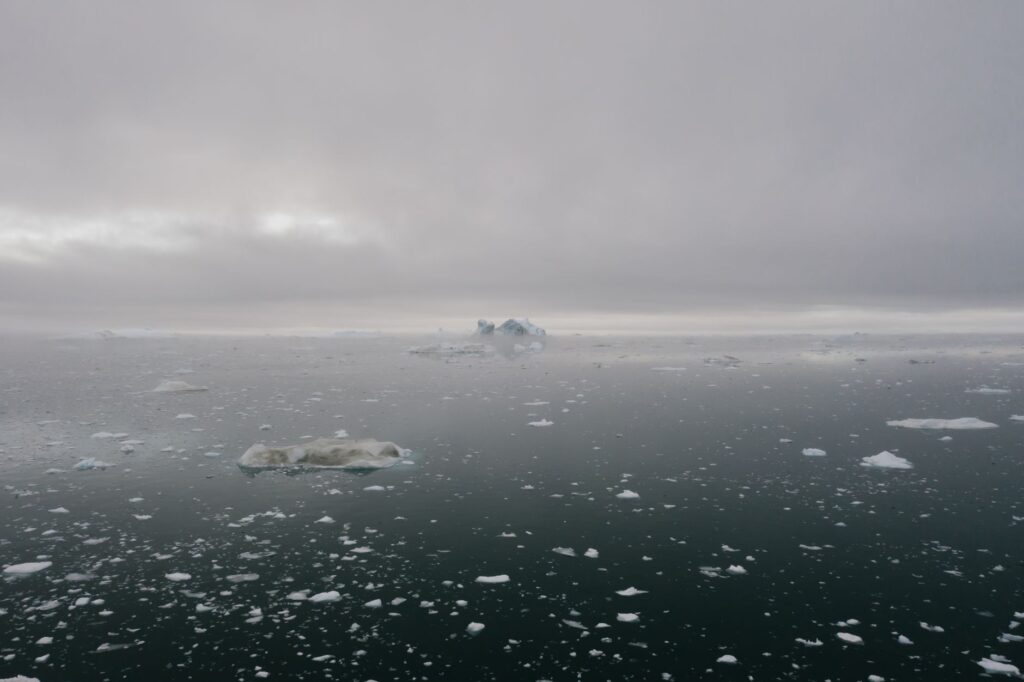
grounded icebergs Antarctica have been mapped for the first time using AI technology, identifying a total of 39,619 icebergs. Remarkably, 93% of these icebergs are less than 1 square kilometre in size.
AI Technology Unveils Grounded Icebergs
In a groundbreaking development, AI technology has successfully mapped a staggering 39,619 grounded icebergs around Antarctica, marking a significant milestone in polar research. This comprehensive mapping effort reveals that a remarkable 93% of these icebergs are under 1 square kilometre in size, highlighting the intricate details of the Antarctic ice landscape.
The advanced algorithms utilized in this project not only enhance our understanding of the distribution of these grounded icebergs but also provide crucial data for climate scientists and environmentalists. By analyzing satellite imagery with unprecedented accuracy, researchers can now track changes in ice mass and movement, allowing for better predictions of future ice melt and its impact on global sea levels.
This innovative use of AI emphasizes the potential of technology in environmental monitoring, offering new insights into the dynamics of grounded icebergs in Antarctica and contributing to our understanding of climate change.
Understanding the Size of Icebergs
The recent mapping of grounded icebergs in Antarctica has revealed significant insights into their sizes and distribution. Nearly 93% of the 39,619 identified icebergs are under 1 square kilometre, highlighting the prevalence of smaller formations in this icy expanse.
Understanding the size of these icebergs is crucial for climate scientists and researchers monitoring the impacts of climate change. Grounded icebergs, which are ice masses that remain fixed to the seabed, play a vital role in the local ecosystem and can affect ocean currents and sea levels.
In addition to their size, the study of grounded icebergs Antarctica also helps in predicting future movements and calving events, which could have far-reaching effects on global sea levels. With advanced AI technology now in use, researchers can continuously update their knowledge about these ice formations, ensuring a better understanding of their dynamics and implications for our environment.
Impact of Icebergs on Climate Change
The presence of grounded icebergs in Antarctica plays a significant role in the broader context of climate change. These ice formations can affect ocean currents and contribute to sea level rise as they melt or break apart.
Recent studies highlight that grounded icebergs serve as indicators of environmental shifts, impacting not just local ecosystems but also global weather patterns. The melting of these icebergs releases freshwater into the ocean, which can disrupt marine life and alter salinity levels.
Moreover, the interaction between grounded icebergs and surrounding ice shelves can influence the stability of glacial structures, potentially leading to increased ice flow into the ocean. As the AI mapping reveals the locations and sizes of 39,619 grounded icebergs, it underscores the importance of ongoing research in understanding their effects on climate systems.
Continued monitoring of these formations will be crucial in predicting future climate scenarios and formulating strategies for mitigation.
Future Research Directions in Antarctica
Future research directions in Antarctica will focus on further understanding the dynamics and implications of grounded icebergs. The recent discovery of 39,619 grounded icebergs around Antarctica, primarily facilitated by AI technology, opens numerous avenues for exploration.
Researchers are particularly interested in the following areas:
- Iceberg Behavior: Studying how these icebergs interact with ocean currents and changing temperatures.
- Impact on Marine Life: Investigating the ecosystems that develop around these grounded icebergs.
- Climate Models: Incorporating data from grounded icebergs into predictive climate models to improve accuracy.
- Monitoring Changes: Establishing long-term monitoring programs to observe changes in iceberg sizes and their effects on sea levels.
Understanding the complexities surrounding grounded icebergs in Antarctica is essential for predicting future climate scenarios and safeguarding marine biodiversity.
The recent study highlights the significance of grounded icebergs Antarctica in understanding climate change dynamics. By utilizing advanced technology, researchers can now monitor the movement and stability of grounded icebergs Antarctica more effectively than ever before.
Photo by Mikhail Nilov on Pexels
References
Related reading
Yemeni civilians flee: What are the worst impacts of war? · US bond market shows worst trends in recent history · Graphene and Carbon Nanotubes: Proven Spectroscopic Insights