
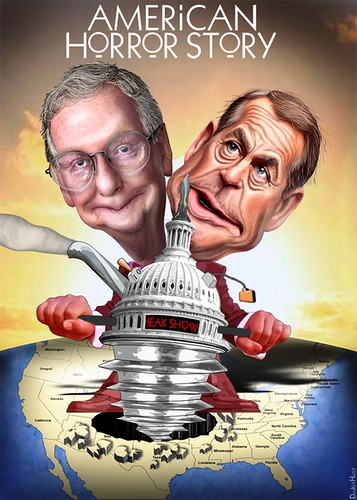
Senate Republicans midterms are shaping the political landscape as they make a final legislative push ahead of the upcoming elections. This crucial moment could determine their success or failure in the midterm elections.
Overview of Senate Republicans’ Strategy
As the midterms approach, Senate Republicans are refining their strategies to secure key victories across the nation. With the electoral landscape shifting, they are focusing on several critical areas to maximize their chances.
- Legislative Achievements: Senate Republicans are leveraging their recent legislative accomplishments to appeal to voters. By highlighting successes in areas such as tax reform and regulatory relief, they aim to build a narrative of effective governance.
- Targeting Swing States: A significant part of their strategy involves concentrating resources in swing states where the margins are tight. By identifying vulnerable Democratic incumbents, they seek to capitalize on local issues that resonate with constituents.
- Voter Mobilization: Engaging grassroots support is crucial. Senate Republicans are working to mobilize their base through targeted outreach campaigns and grassroots events, ensuring that their supporters are energized and ready to vote.
- Messaging on Key Issues: Emphasizing topics such as inflation, crime, and border security allows Senate Republicans to connect with voters’ immediate concerns. Tailoring messages to reflect local sentiments can enhance their appeal.
In summary, the strategic focus of Senate Republicans for the midterms revolves around harnessing legislative success, targeting key districts, mobilizing voters, and addressing pressing issues. This multifaceted approach aims to strengthen their position and secure a favorable outcome in the upcoming elections.
Key Legislation Under Consideration
As the midterms approach, Senate Republicans are prioritizing key legislation to bolster their chances at the polls. With a focus on delivering tangible results, several critical bills are under consideration that aim to resonate with voters and address pressing national issues.
Among the notable pieces of legislation are:
- Tax Reform: A proposal to simplify the tax code and reduce rates for middle-class families is expected to gain traction. Republicans believe that highlighting tax relief will energize their base and attract undecided voters.
- Infrastructure Investment: A bipartisan effort to fund infrastructure improvements is being pushed forward. This initiative aims to create jobs and improve local economies, aligning with voters’ concerns about job security and economic growth.
- Healthcare Reforms: Senate Republicans are advocating for measures to lower prescription drug prices and expand health care access. By addressing health care costs, they hope to connect with voters who prioritize affordable health services.
As these legislative efforts unfold, Senate Republicans are keenly aware that their success will likely influence their performance in the upcoming midterms. The party’s ability to present a unified front and deliver on these initiatives may prove crucial in securing a favorable outcome in the elections.
Impact on Voter Sentiment
The upcoming midterms present a critical opportunity for Senate Republicans to shape voter sentiment. As they make a final legislative push, the decisions made in these last weeks could significantly influence how constituents perceive the party.
Several factors are contributing to the evolving voter landscape:
- Economic Conditions: Rising inflation and economic uncertainty remain at the forefront of voters’ minds, and how Senate Republicans address these issues may sway public opinion.
- Party Unity: The ability of Senate Republicans to present a unified front on key issues could enhance their appeal, fostering trust among undecided voters.
- Local Issues: Addressing concerns specific to local communities may resonate more deeply than national narratives, allowing Senate Republicans to connect on a personal level with voters.
- Candidate Messaging: Candidates’ ability to communicate their vision and policies effectively can play a pivotal role in shaping voter sentiment and motivating turnout.
As the midterms approach, Senate Republicans must carefully navigate these dynamics. The strategies they employ will not only reflect their immediate goals but will also set the stage for future elections. Engaging with voters on their concerns and demonstrating responsiveness to their needs will be essential in cultivating a favorable outlook among the electorate.
Comparative Analysis with Democrats
As the midterm elections approach, a comparative analysis of Senate Republicans and Democrats reveals distinct strategies and voter engagement tactics. Senate Republicans are focusing on a message of economic stability and national security, aiming to highlight their legislative achievements while critiquing Democratic policies.
In contrast, Democrats are emphasizing social issues and healthcare, seeking to mobilize younger voters and those concerned about reproductive rights. This divergence underscores a broader electoral strategy where each party attempts to resonate with their core constituents while reaching out to undecided voters.
Key points of comparison include:
- Messaging: Senate Republicans are prioritizing messages around tax cuts and crime reduction, while Democrats focus on climate change and healthcare reforms.
- Campaign Funding: Republican campaigns are heavily funded by major donors and PACs, whereas Democrats are leveraging grassroots fundraising to engage their base.
- Voter Outreach: Republicans are concentrating efforts in rural and suburban areas, while Democrats target urban centers with high populations of young voters.
Ultimately, the effectiveness of these strategies will be tested in the upcoming midterms, as Senate Republicans seek to solidify their position against a backdrop of evolving voter priorities and sentiments.
Predictions for Midterm Outcomes
As the midterm elections approach, predictions for the outcomes are becoming increasingly relevant. Senate Republicans are strategizing to maximize their chances of retaining control and potentially gaining seats. Analysts suggest several factors could influence the results.
- Voter Turnout: High turnout rates generally favor Democrats, while lower participation tends to benefit Republicans. Mobilization efforts will be crucial for Senate Republicans to ensure their base is engaged and votes.
- Key Issues: The economy, inflation, and public safety are expected to dominate voter concerns. Senate Republicans are focusing their messaging on these topics to resonate with constituents.
- Candidate Quality: The strength and appeal of individual candidates cannot be underestimated. Senate Republicans must field candidates who can effectively connect with local voters and address their unique challenges.
- National Trends: Historical trends indicate that the party not occupying the White House typically gains seats during midterm elections. However, external factors, such as unforeseen events or scandals, might shift momentum.
With all these elements in play, Senate Republicans are keenly aware that their strategies in the coming weeks will significantly shape the midterm outcomes. As they make their final legislative push, the stakes have never been higher.
Historical Context of Midterm Elections
The historical context of midterm elections reveals significant insights into the strategies employed by Senate Republicans as they approach this critical period. Midterms traditionally serve as a referendum on the sitting president’s performance, often resulting in shifts in party power. In the last few decades, the party out of the White House has frequently gained seats, highlighting the unpredictable nature of these elections.
Senate Republicans have often relied on several key factors during midterm campaigns:
- Voter Turnout: Mobilizing their base is crucial, as higher turnout tends to favor Republicans in off-cycle elections.
- Local Issues: Focusing on state-specific concerns allows candidates to connect with voters more personally, often overshadowing national narratives.
- National Messaging: While local issues matter, maintaining a coherent national strategy that resonates with broader Republican values is essential for cohesion.
- Candidate Quality: Strong candidates with established reputations can significantly impact election outcomes and sway undecided voters.
As Senate Republicans look to solidify their position in the upcoming midterms, understanding these historical patterns and incorporating successful strategies from the past will be critical. The interplay between national trends and local dynamics remains a determining factor in their electoral success.
Challenges Facing Senate Republicans
As the midterm elections approach, Senate Republicans are grappling with several challenges that could impact their chances of retaining control. One of the most pressing issues is the growing divide within the party, which has led to conflicting priorities and strategies. This division complicates efforts to present a unified front to voters, potentially undermining their electoral prospects.
Another significant challenge is the public’s perception of key issues, such as inflation and economic stability. Many voters are dissatisfied with the current administration’s handling of these matters, but Senate Republicans must navigate the fine line of offering solutions without alienating their base. Coupled with this is the need to address pressing social issues, which have become pivotal in swaying public opinion.
Additionally, Senate Republicans face the challenge of mobilizing their voter base. Turnout will be crucial, particularly among younger voters who have shown a tendency to lean Democratic in recent elections. Engaging this demographic requires innovative outreach efforts and a clear message that resonates with their concerns.
Finally, the influence of external factors, such as campaign spending and media narratives, cannot be underestimated. Senate Republicans must strategize effectively to combat any negative coverage and ensure their message reaches voters effectively.
Conclusion and Future Implications
As the midterm elections approach, the strategic decisions made by Senate Republicans will play a crucial role in shaping the political landscape for years to come. The outcomes of these elections are not merely a reflection of current voter sentiment but also an indication of how effective the party’s legislative efforts have been.
In this final stretch, Senate Republicans are faced with the imperative to consolidate their support base while also appealing to undecided voters. The effectiveness of their messaging on key issues, such as the economy, healthcare, and national security, will be paramount.
Looking ahead, the implications of the midterm elections extend beyond immediate electoral victories. A successful campaign could solidify Republican control in the Senate, enabling the party to advance its legislative agenda. Conversely, a disappointing performance may lead to a reevaluation of strategies and priorities. Key considerations for the future include:
- The need for a cohesive message that resonates with a broad audience.
- Engagement with grassroots movements to mobilize voter turnout.
- Adapting to changing demographics and shifting political landscapes.
In conclusion, Senate Republicans must navigate a complex set of challenges as they approach the midterms. Their strategic choices will not only impact the upcoming elections but also lay the groundwork for the party’s future direction and influence in American politics.
As Senate Republicans prepare for the midterms, they must focus on unifying their message to appeal to a broader electorate. The strategies they adopt will be crucial in determining how effectively Senate Republicans midterms can translate into electoral gains.
By DonkeyHotey via Openverse