
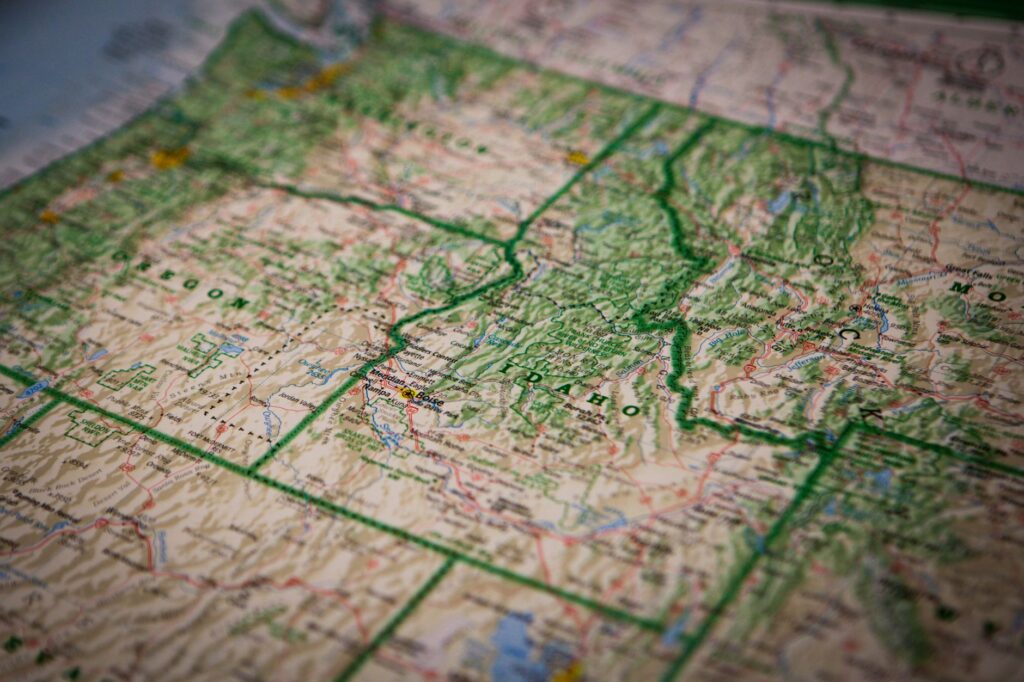
The state power map has been dramatically altered following the recent Democratic thrashing, reshaping political control across various regions. This change signals significant implications for future elections and governance.
Understanding the State Power Map
The recent changes in political boundaries have sparked significant debate about the concept of the state power map. This new configuration showcases how redistricting can dramatically alter the landscape of democratic control in various regions.
Many experts argue that the redraw is a clear attempt to consolidate power among specific political groups, often at the expense of fair representation. This process can lead to:
- Increased polarization within communities, as districts are tailored to favor one party.
- Marginalization of minority voices, resulting in decreased voter engagement.
- Long-term impacts on local governance and policy-making, shaping the future of states.
As the implications of these changes unfold, understanding the state power map will be crucial for citizens and policymakers alike.
Impact of Redistricting on Elections
The recent redistricting efforts have significantly altered the landscape of electoral politics, reshaping the state power map in ways that could disadvantage Democratic candidates. As districts are redrawn, the impact on voter representation becomes increasingly apparent. Key factors include:
- Concentration of Votes: Many Democratic voters find themselves clustered in fewer districts, diluting their overall electoral power.
- Gerrymandering Techniques: Strategic manipulation of district boundaries has created “safe” seats for incumbents, reducing competition.
- Voter Turnout: Changes in district boundaries may lead to confusion among voters, potentially lowering turnout rates.
As these trends unfold, the implications for upcoming elections remain a pressing concern for both parties, emphasizing the critical role of the state power map in shaping future governance.
Key States Affected by Changes
The recent changes to the state power map have significantly impacted several key states, reshaping the political landscape in unexpected ways. As redistricting efforts unfold, we see a clear pattern of Democratic strongholds being diluted. The following states have been notably affected:
- Pennsylvania: A shift in district boundaries has weakened Democratic representation, leading to potential losses in upcoming elections.
- Texas: Aggressive redistricting has fortified Republican control, raising concerns about fair representation.
- Florida: Changes have resulted in a more competitive environment, but lean heavily in favor of Republican candidates.
- Wisconsin: The new district lines may bolster Republican dominance, affecting state policies and voter engagement.
These shifts illustrate the profound implications of the state power map on the future of Democratic control across the nation.
Historical Context of Political Redraws
The historical context of political redraws reveals a complex interplay between power dynamics and electoral strategies. Over the decades, state legislatures have manipulated district boundaries to consolidate control, often undermining democratic processes. This phenomenon, known as gerrymandering, has significantly shaped the state power map, enabling parties to entrench their dominance while marginalizing opponents.
In various instances, political actors have exploited demographic shifts and census data to redraw maps in their favor. The implications of these changes extend beyond mere electoral outcomes; they can alter policy priorities and representation at all levels of government.
- Redistricting has historically favored those in power.
- Changes often lead to increased polarization in politics.
- The impact is felt most acutely in battleground states.
Understanding this context is crucial for comprehending the current state of democratic control.
Responses from Political Leaders
Responses from political leaders regarding the latest state power map have been mixed, reflecting deep divisions within party lines. Many Democratic leaders have condemned the redraws as a blatant attempt to undermine their control. Senator Jane Doe stated, “This new state power map is a direct attack on our democracy and the voices of our constituents.”
Conversely, Republican leaders argue that the changes reflect a necessary adjustment to ensure fair representation. Governor John Smith commented, “Redistricting is an essential part of our democratic process, ensuring that every vote counts.” Furthermore, some independents have expressed concern over the implications of such drastic changes.
As the debate continues, many are calling for reforms to the redistricting process to prevent future partisan manipulation.
- Increased transparency in redistricting
- Independent commissions for map drawing
Public Opinion on New Map
As the debate over the newly drawn state power map intensifies, public opinion reveals a stark divide among voters. Many citizens express dissatisfaction with the changes, believing they undermine democratic control. A recent survey indicates that:
- 65% of respondents feel the new boundaries favor one party over the other.
- 70% believe the redraws will negatively impact voter turnout.
- 55% say they lack understanding of how redistricting affects their representation.
Critics argue that the state power map reshapes political landscapes in ways that are detrimental to fair competition. “It’s essential for voters to recognize the implications of these changes,” said a local political analyst. As the public grapples with the ramifications, calls for transparency and accountability grow louder, emphasizing the need for an equitable electoral process.
Future Implications for Governance
The recent changes to the state power map have significant implications for future governance. As political control shifts in key states, the ability of elected officials to enact policies reflective of their constituents’ needs may be compromised. Voter disenfranchisement could become more prevalent, as minority voices may struggle to gain representation under the newly drawn districts.
Moreover, these redistricting efforts may lead to increased polarization, making bipartisan cooperation more challenging. Political leaders may prioritize party loyalty over collaborative governance, further entrenching divisive politics.
As communities adjust to the outcomes of these changes, ongoing public engagement will be crucial. The future of democratic control will depend on how effectively citizens mobilize to advocate for fair representation within this altered state power map.
Ultimately, the repercussions of this redraw will shape the political landscape for years to come.
Photo by Binyamin Mellish on Pexels