
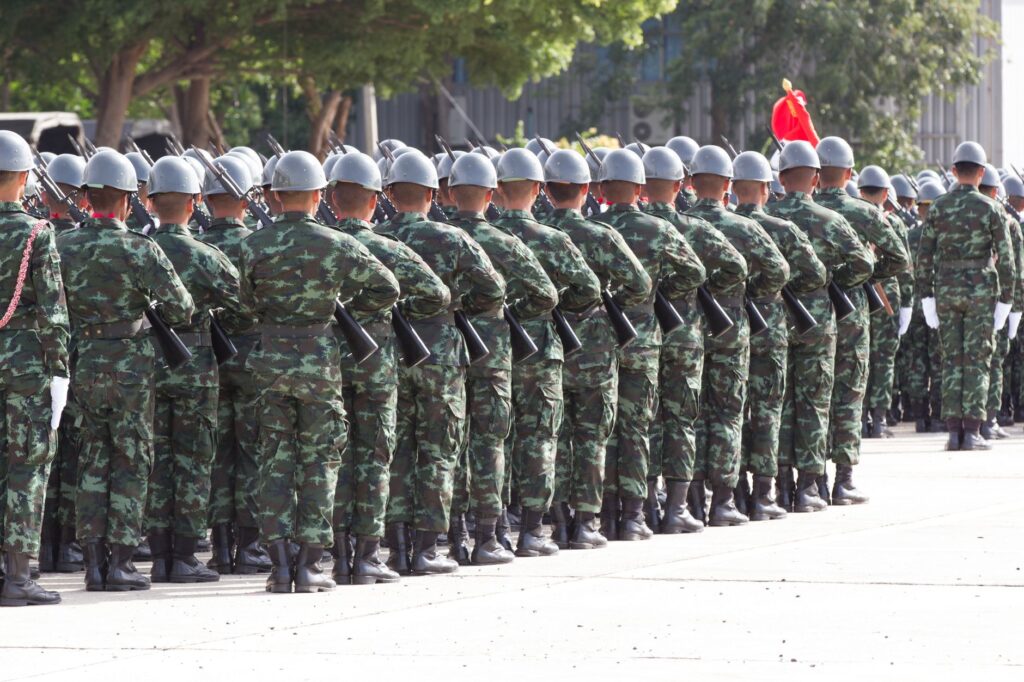
Greenland military authority is at the forefront of a new deal signed by Trump, granting the U.S. enhanced military capabilities on the island. This agreement has significant implications for national security and international relations.
Overview of the Greenland Deal
The recent agreement signed by former President Donald Trump regarding Greenland has sparked significant interest, particularly in relation to the Greenland military authority it grants to the United States. This deal establishes a framework for enhanced military presence and operations on the strategically located island.
Key points of the agreement include:
- Increased Military Access: The deal allows the U.S. military to access and utilize specific facilities in Greenland, enhancing operational capabilities in the Arctic region.
- Strategic Importance: Greenland’s location plays a crucial role in national security, providing a vantage point for monitoring potential threats across the North Atlantic.
- Infrastructure Development: The agreement includes provisions for upgrading existing military infrastructure, ensuring that the U.S. presence is both effective and sustainable.
This move has raised discussions about geopolitical dynamics in the Arctic and the implications of U.S. military authority in Greenland, as global attention shifts towards this vital area.
Implications for U.S. Military
The recent deal signed by former President Trump has significant implications for U.S. military operations in Greenland. With the Greenland military authority now established, the U.S. gains a strategic foothold in the Arctic, an area of growing geopolitical interest.
This agreement enables the U.S. to enhance its military presence in the region, which is crucial for several reasons:
- Strategic Location: Greenland’s location provides a vital link between North America and Europe, allowing for quicker deployment of military resources.
- Resource Access: The deal opens up opportunities for the U.S. to monitor and secure valuable natural resources in the Arctic, as melting ice reveals untapped reserves.
- International Relations: Strengthening military authority in Greenland may also serve as a counterbalance to increasing Russian activity in the Arctic region.
Overall, the Greenland military authority empowers the U.S. to navigate the complexities of Arctic geopolitics more effectively.
International Reactions to the Agreement
Following the announcement of the Greenland military authority agreement, international reactions have been swift and varied. Many nations have expressed concern over the implications of increased U.S. military presence in the region.
- Denmark’s Position: The Danish government has reiterated its sovereignty over Greenland, stressing that any military activities must align with their national interests and the well-being of the island’s residents.
- Russia’s Response: Russian officials have voiced apprehension, suggesting that the U.S. move could escalate tensions in the Arctic, an area already marked by geopolitical rivalry.
- China’s Perspective: China has criticized the agreement, viewing it as a challenge to its own interests in the Arctic region, where it seeks to expand its presence.
As global powers react to the newly signed deal, analysts emphasize the need for diplomatic dialogues to ensure that the Greenland military authority does not lead to heightened conflicts or military escalations in this strategically important area.
Historical Context of U.S. Presence in Greenland
The historical context of U.S. presence in Greenland dates back to World War II, when the island’s strategic location became crucial for military operations. Over the years, the U.S. has maintained a military presence in Greenland, primarily through Thule Air Base, which serves as an essential hub for Arctic surveillance and defense.
In recent years, the geopolitical landscape has shifted, particularly with the growing influence of Russia in the Arctic region. This has prompted the U.S. to reassess its military strategy and presence in Greenland. The Greenland military authority has become a focal point for discussions about national security and Arctic sovereignty.
The deal signed by Trump aimed to solidify U.S. military authority on the island, allowing for enhanced capabilities and infrastructure development. The agreement also reflects broader strategic interests in the Arctic, as nations vie for resources and control over shipping routes in the region.
Considering these historical factors, the U.S. military presence in Greenland is not merely a matter of defense but also a critical element in the ongoing global power dynamics.
Future of U.S.-Greenland Relations
The future of U.S.-Greenland relations appears to be shaped significantly by the Greenland military authority established under the recent agreement signed by former President Trump. This deal not only reinforces the military presence of the United States in the region but also positions Greenland as a strategic asset in the Arctic. As climate change opens new shipping routes and access to untapped resources, the role of Greenland becomes increasingly vital.
Key factors influencing this relationship include:
- Strategic Military Installations: The agreement allows for the development of military bases that enhance defense capabilities.
- Economic Investments: Increased U.S. investments in infrastructure could boost the local economy.
- Environmental Considerations: Emphasis on sustainable practices will be crucial in maintaining Greenland’s fragile ecosystem.
As both nations navigate this new landscape, the Greenland military authority will play a pivotal role in shaping diplomatic ties and security cooperation in the Arctic region.
Analysis of Military Strategy Changes
The recent agreement has significantly reshaped the landscape of military operations in Greenland, granting the U.S. military authority unprecedented in the region. This shift emphasizes a strategic pivot aimed at enhancing the U.S. presence in the Arctic, a region of increasing geopolitical importance.
Some key changes in military strategy include:
- Increased Surveillance: The U.S. will expand its surveillance capabilities to monitor potential threats from rival nations, particularly Russia and China.
- Enhanced Infrastructure: Development of military bases and facilities on the island is expected to support rapid deployment and logistical operations.
- Collaborative Exercises: Joint exercises with allied nations will be more frequent, fostering stronger ties and readiness among NATO forces.
- Environmental Considerations: Strategies will need to adapt to the unique environmental challenges posed by Greenland’s climate, ensuring sustainable operations.
Overall, the Greenland military authority is poised to play a pivotal role in shaping U.S. defense strategies in an increasingly contested Arctic region.
Photo by Somchai Kongkamsri on Pexels