
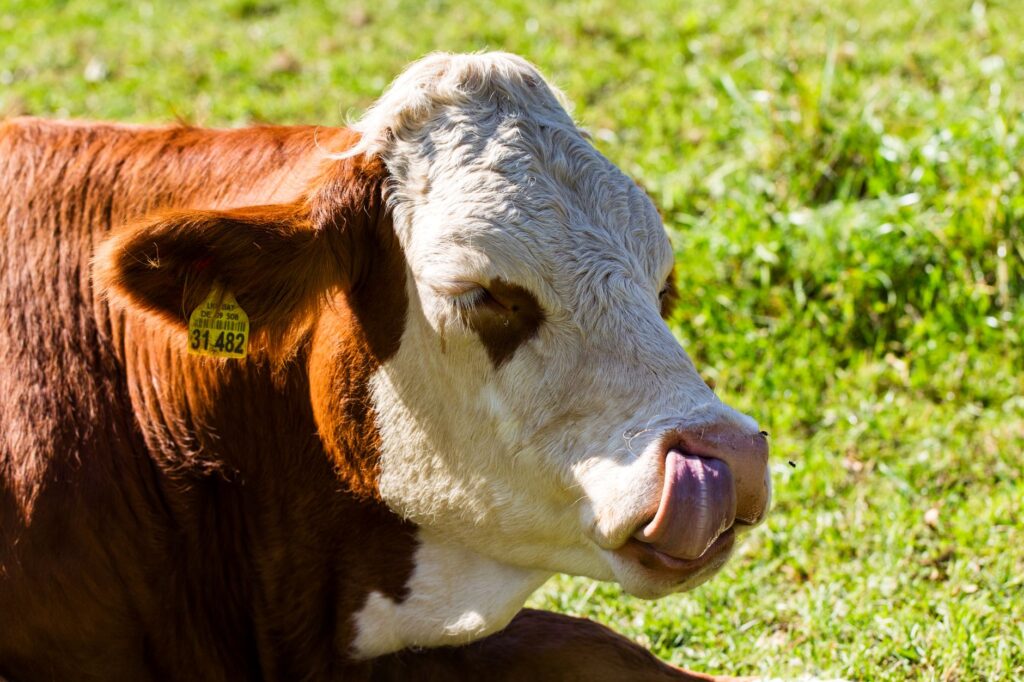
animal welfare standards are being raised in India with the launch of the Karuna Ethics Alliance. This initiative aims to improve ethical practices across food supply chains, ensuring better treatment of animals.
Introduction to Karuna Ethics Alliance
The Karuna Ethics Alliance (KEA) has emerged as a pivotal initiative in India, aimed at enhancing animal welfare standards across various food supply chains. Founded by a coalition of India’s leading companies, the alliance seeks to address the pressing need for improved practices in the treatment of animals within the agricultural and food production sectors.
With increasing awareness about animal rights and welfare, KEA aims to unify efforts among businesses, consumers, and government entities to ensure ethical treatment of animals. The initiative is grounded in the belief that sustainable practices not only benefit the animals but also enhance the quality and safety of food products.
KEA’s framework includes a comprehensive set of guidelines designed to promote humane treatment, proper living conditions, and respect for animal welfare throughout the supply chain. This approach is expected to create a ripple effect, encouraging more companies to adopt similar standards and practices.
Moreover, KEA emphasizes the importance of transparency and accountability, urging companies to report on their animal welfare practices regularly. By doing so, the alliance hopes to build consumer trust and foster a culture of ethical responsibility in the food industry.
As India grapples with the complexities of modern food production, initiatives like the Karuna Ethics Alliance are critical in setting benchmarks for animal welfare standards, ultimately striving for a more compassionate and responsible food system.
Why Animal Welfare Matters
Animal welfare matters significantly for both ethical and practical reasons. As society becomes increasingly aware of the treatment of animals in various sectors, including agriculture and food production, there is a growing demand for improved animal welfare standards. This awareness drives consumers to seek products that adhere to humane practices, influencing market trends and encouraging companies to adopt better methods.
Implementing high animal welfare standards can lead to numerous benefits:
- Ethical Responsibility: Ensuring that animals are treated humanely aligns with moral principles and reflects societal values.
- Improved Quality: Animals raised under better conditions often produce higher quality products, enhancing the overall consumer experience.
- Economic Gains: Better welfare practices can reduce costs over time through increased efficiency and lower veterinary expenses.
- Consumer Trust: Transparency in animal welfare practices can build brand loyalty and trust, as consumers are more likely to support companies that prioritize ethical treatment.
The Karuna Ethics Alliance seeks to raise animal welfare standards across food supply chains in India, highlighting the need for a collective approach to address these issues. By focusing on animal welfare, businesses can not only comply with ethical standards but also contribute to a sustainable future that benefits both animals and humans alike.
Impact on Food Supply Chains
The launch of the Karuna Ethics Alliance (KEA) marks a significant step towards improving animal welfare standards within India’s food supply chains. The impact of these standards extends beyond ethical considerations, influencing various aspects of the agricultural and food industry.
By adopting higher animal welfare standards, companies are encouraged to implement more humane practices throughout their supply chains. This initiative can lead to:
- Improved Animal Health: Healthier animals contribute to better quality food products, enhancing consumer trust and satisfaction.
- Market Differentiation: Brands that commit to animal welfare can distinguish themselves in a competitive marketplace, appealing to the growing number of ethically-minded consumers.
- Regulatory Compliance: Aligning with international animal welfare standards can prepare companies for future regulations, ensuring they remain compliant and avoid potential penalties.
- Enhanced Sustainability: Ethical treatment of animals often goes hand-in-hand with sustainable farming practices, promoting environmental health alongside improved animal welfare.
Moreover, the KEA’s efforts can stimulate economic growth by encouraging investments in technologies and practices that support better animal welfare. As companies shift towards more responsible operations, the ripple effects could lead to a more robust and ethical food supply chain in India.
Ultimately, the commitment to animal welfare standards not only benefits the animals but also strengthens the entire food ecosystem.
Companies Involved in KEA
Several prominent companies have joined forces to establish the Karuna Ethics Alliance (KEA), aiming to enhance animal welfare standards across food supply chains in India. This initiative reflects a growing commitment among businesses to prioritize ethical treatment of animals while meeting consumer demands for responsible sourcing.
The following companies have taken a lead role in this alliance:
- FoodCorp: A major player in the food processing industry, FoodCorp has pledged to implement stringent animal welfare standards in its supply chain.
- AgriFresh: Known for its fresh produce, AgriFresh is working to ensure that its livestock suppliers adhere to humane treatment practices.
- EcoMeat: This meat processing giant is committed to transitioning to more ethical sourcing methods that align with KEA’s guidelines.
- PoultryPride: A leading poultry producer, PoultryPride is setting benchmarks for animal welfare standards within its operations.
- DairyDream: DairyDream has joined the initiative to enhance the welfare of dairy cows and promote sustainable practices in the dairy industry.
By collaborating within the KEA framework, these companies aim to drive significant improvements in how animals are treated during production processes. This move not only benefits the animals but also strengthens consumer trust in food products, highlighting the importance of responsible corporate practices in today’s market.
Future of Animal Welfare in India
The future of animal welfare in India is poised for transformation, especially with the establishment of initiatives like the Karuna Ethics Alliance (KEA). As more companies join this alliance, the commitment to enhancing animal welfare standards within food supply chains is becoming increasingly evident. This movement is not merely a trend; it signifies a shift towards more humane practices that could redefine the industry’s landscape.
One of the promising aspects of this initiative is the potential for widespread adoption of ethical practices. As consumer awareness grows, there is a mounting demand for products that align with better animal welfare standards. This demand is influencing companies to not only adopt these standards but also to become advocates for change.
Moreover, the collaboration between businesses and animal welfare organizations can foster innovation in developing humane treatment protocols. By sharing knowledge and resources, stakeholders can create a comprehensive framework that ensures the well-being of animals throughout all stages of production.
- Enhanced Standards: The KEA aims to establish benchmarks that prioritize animal welfare.
- Consumer Awareness: Educating the public about ethical sourcing practices is crucial.
- Industry Collaboration: Partnerships between companies and NGOs can lead to significant improvements.
Ultimately, the success of these initiatives will depend on collective commitment and the ongoing dialogue around animal welfare in India. With the right efforts, a future where ethical standards are the norm may be within reach.
Public Response to KEA
The public response to the launch of the Karuna Ethics Alliance (KEA) has been largely positive, reflecting a growing concern for animal welfare standards in India. Many citizens view this initiative as a significant step towards improving the treatment of animals within the food supply chain, which has often been criticized for its lack of humane practices.
Supporters of the KEA have expressed their enthusiasm through various platforms, highlighting the potential benefits of higher animal welfare standards not only for animals but also for consumers. Many believe that ethical treatment of animals can lead to better quality food products, which align with the increasing demand for transparency and sustainability in food sourcing.
However, there are voices of skepticism. Some critics argue that while the intentions of the KEA are commendable, the implementation of these standards may face challenges. They point out that without stringent regulations and monitoring, the initiative may fall short of its goals. Additionally, there are concerns regarding the cost implications for farmers and small producers who may struggle to meet the new standards.
Despite these concerns, the overall sentiment seems to lean towards optimism. Numerous animal rights activists and organizations have rallied behind the KEA, believing it could set a new precedent for animal welfare standards in India. The collaboration among leading companies demonstrates a growing recognition of the importance of ethical practices in the food industry.
Photo by Oliver Wagenblatt on Pexels
Where this came from
You might also like
UK test-fires US torpedo: A smart move for defense talks · Quantum Nanosensors: The Best Way to Reveal Hidden Insights · Dinodontosaur discovery: The Complete Guide to This Ancient Creature