
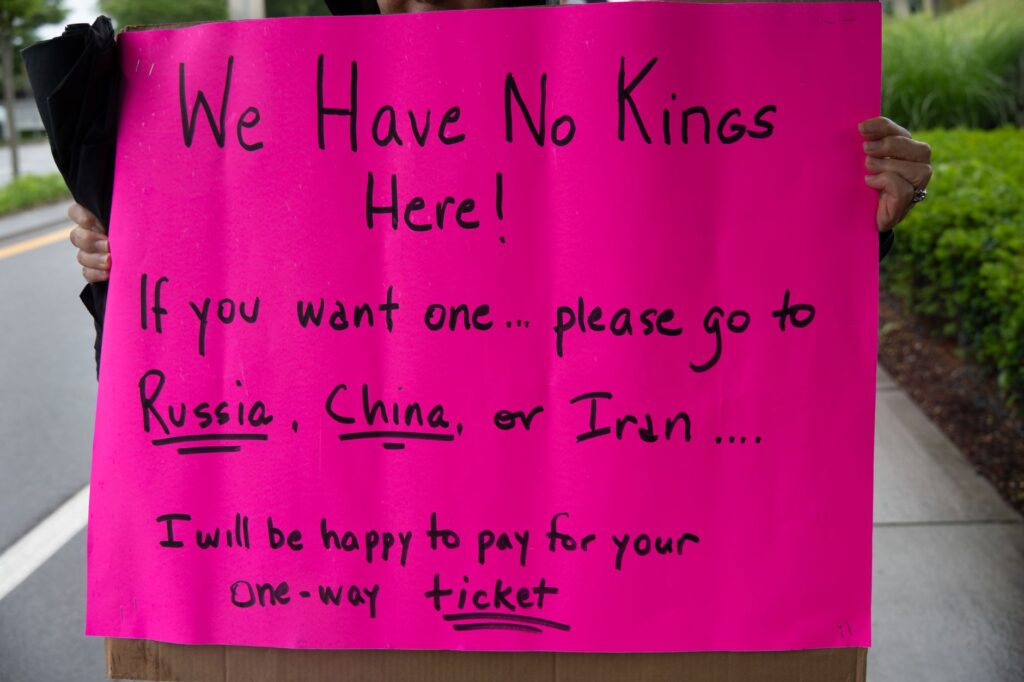
Trump Iran dilemma has taken center stage as he discusses his strategies for dealing with Iran at the UNGA.
Understanding Trump’s Position on Iran
In recent discussions, President Donald Trump has articulated his complex stance regarding Iran, reflecting the broader Trump Iran dilemma that has emerged on the global stage. His administration has oscillated between pursuing diplomatic engagement and adopting a more confrontational approach, particularly concerning Iran’s nuclear ambitions.
During the United Nations General Assembly, Trump emphasized the need for a decisive strategy, stating, “It’s either a deal or annihilation.” This statement underscores the precarious balance he aims to achieve: on one hand, fostering a diplomatic solution that would curb Iran’s nuclear development; on the other, maintaining a strong military posture to deter any aggressive actions from Tehran.
To navigate this dilemma, several factors are at play:
- International Support: Garnering allies to present a united front against Iran.
- Domestic Pressure: Addressing concerns from Congress and various interest groups regarding military engagement.
- Economic Sanctions: Leveraging economic measures to compel Iran to return to the negotiating table.
Ultimately, Trump’s approach to Iran will significantly shape not only U.S. foreign policy but also the stability of the Middle East in the years to come.
The Impact of UNGA on International Relations
The recent United Nations General Assembly (UNGA) held significant implications for international relations, particularly regarding the Trump Iran dilemma. During his speech, President Trump emphasized a tough stance on Iran, which has raised concerns among allies and adversaries alike.
Key points discussed at the UNGA included:
- Sanctions and Diplomacy: Trump reiterated the need for strict sanctions against Iran while also expressing a willingness to engage in dialogue.
- Global Alliances: The President’s approach has tested relationships with traditional allies who favor a more diplomatic resolution to the Iran issue.
- Regional Stability: The ongoing tensions in the Middle East highlight the potential for conflict, making international cooperation essential for peace.
The reactions to Trump’s comments at the UNGA varied widely. Many nations voiced their apprehensions about the potential for increased hostilities if diplomatic channels remain closed. Others supported a firmer approach, arguing that a strong stance might compel Iran to return to the negotiating table.
Ultimately, the Trump Iran dilemma remains a complex challenge that requires careful navigation of international relations to foster a peaceful resolution.
Historical Context of US-Iran Relations
The historical context of US-Iran relations is complex and multifaceted, significantly influencing the current Trump Iran dilemma. The relationship began to deteriorate in 1953 with the CIA-backed coup that reinstated the Shah, leading to widespread anti-American sentiment in Iran.
In 1979, the Iranian Revolution resulted in the overthrow of the Shah and the establishment of the Islamic Republic. This event marked a turning point, as the US embassy in Tehran was stormed, and American diplomats were taken hostage for 444 days. The aftermath solidified a deep-seated animosity between the two nations.
Throughout the following decades, tensions escalated with various incidents, including:
- The Iran-Iraq War (1980-1988), where the US supported Iraq.
- The downing of Iran Air Flight 655 by a US warship in 1988.
- Accusations of Iran’s involvement in terrorist activities targeting US interests abroad.
Efforts at diplomatic engagement, such as the 2015 nuclear deal, briefly improved relations but were met with skepticism and ultimately collapsed under the Trump administration. The current landscape remains fraught with challenges, as policymakers grapple with the Trump Iran dilemma and seek peaceful solutions amidst ongoing hostilities.
Challenges Facing Trump’s Iran Strategy
As President Trump navigates the complexities of foreign policy, the Trump Iran dilemma emerges as a significant challenge. The approach taken by the administration has drawn criticism and support alike, highlighting the multifaceted nature of the issue.
Among the challenges facing Trump’s Iran strategy are:
- Escalating Tensions: The ongoing hostilities between the U.S. and Iran threaten to destabilize the region further, creating an environment fraught with uncertainty.
- International Relations: Trump’s hardline stance may alienate traditional allies, complicating diplomatic efforts to address Tehran’s nuclear ambitions and regional actions.
- Domestic Political Pressure: Critics argue that the current strategy lacks a coherent plan, leading to calls for a more balanced approach to engage Iran while addressing security concerns.
- Negotiation vs. Sanctions: The dilemma of whether to pursue diplomatic negotiations or continue with stringent sanctions remains contentious, with each option presenting unique risks and rewards.
Ultimately, finding a pathway towards peace requires a delicate balance of pressure and diplomacy, which has proven to be a formidable task for the Trump administration as it seeks to resolve the Iran dilemma effectively.
Potential Outcomes of Trump’s Dilemma
The Trump Iran dilemma presents several potential outcomes that could shape future relations between the United States and Iran. Each scenario carries significant implications for both nations and the broader international community.
- Negotiated Settlement: A successful diplomatic approach could lead to a renewed agreement that addresses key concerns over Iran’s nuclear program and regional activities. This outcome would require concessions from both sides and could foster a more stable Middle East.
- Increased Tensions: If diplomatic efforts fail, heightened tensions could result in further sanctions or military posturing. This scenario risks escalating conflict, which may draw in other regional powers and disrupt global markets.
- Regional Alliances: As the U.S. navigates its stance, neighboring countries may adjust their alliances and strategies. Strengthened partnerships with allies like Saudi Arabia and Israel could emerge, while Iran might seek support from adversarial nations like Russia and China.
- Domestic Consequences: Trump’s approach to the Iran dilemma could influence his standing in domestic politics. Public opinion and reactions from key stakeholders will play a crucial role in shaping future policy decisions.
Ultimately, the choices made in response to the Trump Iran dilemma will have lasting effects on international stability and peace.
Global Reactions to Trump’s Statements
In response to President Trump’s recent statements regarding his Iran dilemma during the UN General Assembly, global reactions have varied widely, reflecting the complexity of international relations surrounding Iran.
Many world leaders expressed concern over the potential for escalation in tensions. The following points highlight key reactions:
- European Union Officials: They reiterated the importance of diplomatic engagement, emphasizing that military action could lead to further instability in the region.
- Middle Eastern Allies: Leaders from countries like Saudi Arabia and Israel supported Trump’s tough stance, viewing it as a necessary measure to counter Iran’s influence.
- China and Russia: Both nations criticized Trump’s approach, calling for a return to the Joint Comprehensive Plan of Action (JCPOA) and warning against unilateral actions that could hinder peace efforts.
- Human Rights Advocates: Various organizations urged the administration to consider the humanitarian implications of its policies, arguing that sanctions disproportionately affect ordinary Iranians.
As the international community watches closely, the ramifications of Trump’s Iran dilemma on both regional and global stability remain uncertain.
What Experts Are Saying About Iran
As the international community continues to grapple with the complexities of the Trump Iran dilemma, experts are weighing in on potential paths forward. Many analysts emphasize the need for a balanced approach that considers both diplomatic engagement and strategic deterrence.
- Dr. Sarah Mitchell, a geopolitical analyst, argues that “negotiation remains key.” She suggests that opening channels of communication could help de-escalate tensions and foster a more peaceful resolution.
- Professor Jonathan Lee from the School of International Affairs cautions against the risks of military confrontation. “The stakes are high,” he notes, “and an aggressive stance could lead to unintended consequences that harm both nations.”
- Rachel Kim, a former State Department official, highlights the importance of multilateral efforts. “Engaging allies in discussions about Iran’s nuclear ambitions is essential,” she states, stressing that collective action is more effective.
- Ambassador David Reynolds believes that economic incentives could play a critical role, mentioning, “A well-structured deal could lead to significant changes in Iran’s behavior.”
Overall, experts agree that finding a solution to the Trump Iran dilemma requires careful consideration and a willingness to explore diplomatic avenues.
Future of US-Iran Relations
The future of US-Iran relations remains uncertain as President Trump’s Iran dilemma continues to unfold. The administration faces critical decisions that could shape diplomatic ties and regional stability for years to come.
Several key factors will influence the trajectory of these relations:
- Nuclear Negotiations: The possibility of resuming talks regarding Iran’s nuclear program is crucial. A diplomatic approach could ease tensions, but hardline stances risk escalating conflict.
- Economic Sanctions: The impact of sanctions on Iran’s economy plays a significant role. Adjusting these measures could open pathways for dialogue, yet a cautious approach is required to avoid perceived weakness.
- Regional Allies: The opinions and strategies of allies in the Middle East, such as Israel and Saudi Arabia, will affect US policy decisions. Balancing these relationships while pursuing peace is a delicate task.
- Public Opinion: Domestic support for Trump’s Iran strategy will influence his administration’s actions. As public sentiment shifts, so too may the approach to the Iran dilemma.
Ultimately, the future of US-Iran relations hinges on the ability to find a peaceful solution amidst the complexities of geopolitics and national interests.
The Trump Iran dilemma presents a complex challenge that requires careful diplomatic engagement to foster stability in the region. Finding a balanced approach to the Trump Iran dilemma could pave the way for peaceful solutions that benefit both nations.
Photo by Beth Fitzpatrick on Pexels