
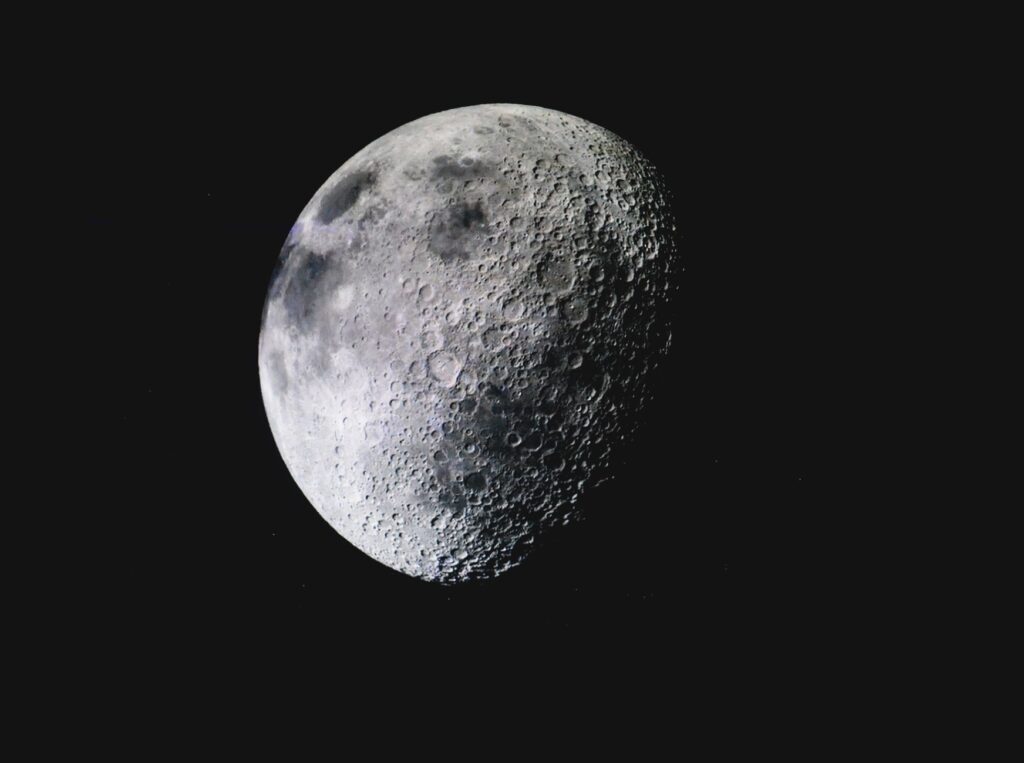
Moon base objectives are central to NASA’s plans for sustainable lunar exploration. The agency has outlined key challenges and goals for establishing a permanent presence on the Moon.
Overview of Moon Base Objectives
The establishment of a moon base represents a significant milestone in space exploration, with several key objectives guiding this endeavor. First and foremost, the primary goal is to conduct scientific research, enabling scientists to study the lunar environment and its resources.
Another objective is to test technologies that will be crucial for future missions to Mars and beyond. This includes evaluating life support systems, habitats, and the sustainability of human presence in space.
Additionally, the moon base objectives encompass international collaboration, inviting partnerships between space agencies and private companies. Such cooperation can enhance technological advancements and share the financial burden of lunar exploration.
Moreover, establishing a permanent lunar presence aims to promote economic opportunities, such as mining resources like helium-3, which may be used for clean energy on Earth.
Despite the clear objectives, there are substantial challenges to overcome. These challenges include ensuring the safety of astronauts, managing the harsh lunar environment, and developing reliable transportation systems. Addressing these hurdles is essential for the success of the moon base objectives and the future of human space exploration.
Key Challenges in Establishing a Moon Base
Establishing a moon base presents several key challenges that must be addressed to ensure the success of this ambitious endeavor. As outlined by various space agencies, including NASA, the primary obstacles include:
- Life Support Systems: Developing reliable systems to provide air, water, and food for astronauts is crucial. These systems must function efficiently in the harsh lunar environment.
- Radiation Protection: The moon lacks a protective atmosphere, exposing inhabitants to harmful cosmic radiation. Innovative shielding solutions are necessary to safeguard astronauts.
- Transportation Logistics: Transporting materials and personnel to and from the moon requires advanced spacecraft technology and infrastructure.
- Habitat Construction: Building sustainable habitats that can withstand extreme temperatures and lunar dust is vital. Using local resources may be a potential solution.
- Communication Systems: Ensuring reliable communication with Earth and maintaining data transmission in real-time are essential for operational success.
These challenges highlight the complexity of achieving the moon base objectives, requiring international collaboration and technological innovation to pave the way for a permanent lunar presence.
NASA’s Vision for Lunar Exploration
NASA has laid out a comprehensive vision for lunar exploration, emphasizing the importance of establishing a sustainable presence on the Moon. This initiative aims to achieve several key moon base objectives, which include scientific research, resource utilization, and international collaboration.
One of the primary goals is to conduct in-depth studies of the lunar surface and its resources. NASA plans to leverage the Moon’s unique environment to conduct experiments that could inform future Mars missions. By understanding the Moon’s geology and potential resources, scientists hope to uncover valuable insights into the origins of the solar system.
Another objective is to develop technologies for long-term habitation. This involves testing life support systems, habitat construction methods, and sustainable energy solutions, all of which are critical for future missions to Mars and beyond. Additionally, NASA envisions fostering partnerships with international space agencies and private companies to enhance collaboration and share the burden of exploration.
Ultimately, these moon base objectives will not only push the boundaries of human exploration but also pave the way for a new era of scientific discovery and innovation in space.
Technological Innovations for Moon Bases
As humanity looks towards establishing a sustainable presence on the Moon, a range of technological innovations will be crucial in achieving the moon base objectives. These advancements will address various challenges associated with life on the lunar surface.
One of the primary innovations includes the development of habitat modules that can withstand extreme temperature fluctuations and radiation levels. These modules will need to provide both safety and comfort for astronauts.
Additionally, sustainable energy sources, such as solar power systems, are vital for powering operations on the Moon. Innovations in energy storage will ensure a consistent power supply during lunar nights, which can last up to two weeks.
Robotic technology will also play a significant role, enabling the construction and maintenance of the moon base before human arrival. Drones and autonomous rovers will be essential for transporting materials and conducting preliminary surveys of the lunar terrain.
Finally, advancements in life support systems will be necessary to recycle air and water, ensuring the health and safety of astronauts living in the moon base. Together, these innovations will help turn the ambitious moon base objectives into a reality.
Photo by ViCky SiNgh on Pexels