
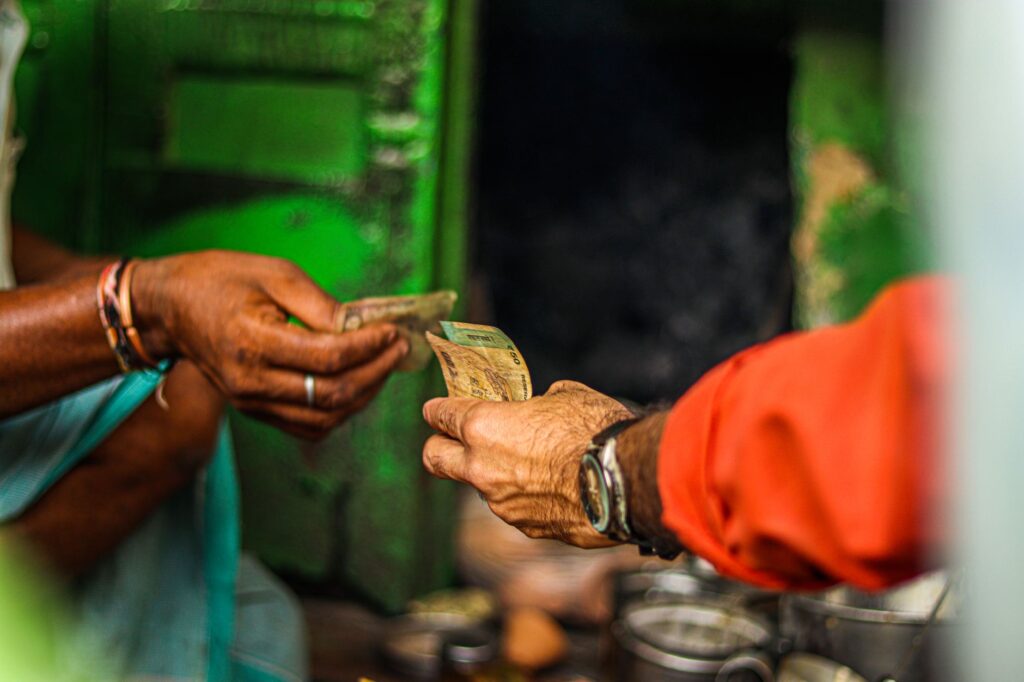
India US trade deal is generating significant optimism among industry leaders after recent comments made by Rubio. This development could pave the way for enhanced economic collaboration between the two nations.
Overview of the India US trade deal
The recent discussions surrounding the India US trade deal have ignited a wave of optimism among industry leaders. Following remarks from Senator Marco Rubio, key stakeholders in both nations are expressing enthusiasm for potential advancements in trade relations.
Leaders from diverse sectors have highlighted several factors that could enhance the effectiveness of the trade deal:
- Economic Growth: Both countries stand to benefit significantly from increased trade, potentially leading to job creation and economic expansion.
- Market Access: The deal could provide Indian businesses with greater access to the lucrative US market, fostering competition and innovation.
- Strengthening Ties: Enhanced trade relations may contribute to a stronger geopolitical partnership, bolstering collaboration on various global issues.
In addition to the economic benefits, industry leaders believe that the India US trade deal could pave the way for technological exchanges and investments, further solidifying the bond between the two nations. The favorable sentiment expressed by prominent figures indicates a readiness to embrace the opportunities that this deal may present, marking a potentially transformative moment in bilateral relations.
Key remarks by Rubio
In recent discussions surrounding the India US trade deal, Senator Marco Rubio shared significant insights that resonated with industry leaders. Rubio emphasized the importance of a balanced trade relationship between the two nations, stating that both countries stand to benefit from a mutually advantageous agreement.
He highlighted several key areas where collaboration could foster growth, including:
- Technology Transfer: Encouraging the sharing of advanced technologies to enhance productivity and innovation.
- Tariff Reductions: Advocating for lower tariffs that can lead to increased trade volumes and economic integration.
- Job Creation: Stressing that a successful trade deal could result in job growth in both countries, particularly in the manufacturing and services sectors.
Rubio’s remarks have sparked renewed optimism among industry leaders who are eager for a fruitful dialogue on the India US trade deal. Many believe that with continued engagement and commitment, both nations can forge a path toward a robust economic partnership. As the discussions progress, stakeholders are hopeful that the outcomes will reflect the potential benefits outlined by prominent figures like Rubio.
Industry leaders’ reactions
Following the recent remarks from Senator Marco Rubio, industry leaders have expressed a renewed sense of optimism regarding the India US trade deal. Many believe that the agreement could significantly enhance economic ties between the two nations, fostering growth and innovation.
- Rajesh Kumar, CEO of a leading technology firm, stated, “The potential for collaboration is immense. We are looking forward to leveraging this trade deal to expand our operations in the US.”
- Priya Sharma, head of an export company, emphasized, “The India US trade deal can open doors for small and medium enterprises, allowing them to access larger markets and resources.”
- Deepak Mehta, a financial analyst, commented, “With the right policies in place, we can expect a boost in bilateral investments, creating jobs and stimulating economic growth.”
- Anjali Verma, president of a manufacturing association, added, “We are optimistic that this trade deal will lead to a more favorable business environment, benefiting both countries.”
Overall, the consensus among industry leaders is that the India US trade deal represents a significant opportunity for economic advancement and collaboration in various sectors.
Potential economic impacts
The potential economic impacts of the India US trade deal are generating significant interest among industry leaders. Many experts believe that a successful agreement could lead to increased trade volumes and foster stronger economic ties between the two nations.
One of the primary benefits anticipated from the trade deal is the enhancement of market access. This could provide Indian businesses with greater opportunities to export goods and services to the US, particularly in sectors such as:
- Information Technology: With a strong presence in software and IT services, Indian companies may find expanded avenues for collaboration.
- Agriculture: Indian farmers could benefit from reduced tariffs on agricultural products, leading to increased exports.
- Manufacturing: The deal may encourage US companies to invest in Indian manufacturing, creating jobs and boosting local economies.
Furthermore, the India US trade deal could stimulate innovation by facilitating technology transfers and partnerships. This collaboration may lead to advancements in various sectors, ultimately benefiting consumers in both countries.
As both nations move forward in negotiations, the optimism expressed by industry leaders reflects a shared belief in the potential for mutual growth and prosperity.
Challenges ahead for the trade deal
Despite the optimism surrounding the India US trade deal, several challenges could hinder its successful implementation. Industry leaders acknowledge that while there is a positive sentiment, various hurdles need to be addressed.
- Regulatory Barriers: One of the primary challenges is the existing regulatory landscape in both countries, which can complicate trade negotiations. Leaders emphasize the need for streamlined regulations to facilitate smoother transactions.
- Tariff Disputes: Ongoing tariff disputes between India and the US pose significant risks to the trade deal. Resolving these disagreements will be crucial for fostering a mutually beneficial agreement.
- Political Landscape: The political environment in both nations can influence negotiations. Changes in leadership or policy priorities may alter the course of discussions, impacting the trade deal’s viability.
- Public Sentiment: There is a growing concern regarding how the trade deal will affect local industries and jobs. Addressing public apprehensions will be essential to ensure broad support for the agreement.
Industry leaders remain hopeful that these challenges can be effectively managed, paving the way for a successful India US trade deal that promotes economic growth and collaboration.
Comparative analysis with previous agreements
The recent discussions surrounding the India US trade deal have prompted a comparative analysis with previous agreements that have shaped the economic landscape between the two nations. Historical data shows that trade agreements tend to foster closer ties, but their success often hinges on the specifics of implementation and mutual benefit.
When examining the India US trade deal in relation to past agreements, several key factors emerge:
- Tariff Reductions: Previous deals, such as the U.S.-Mexico-Canada Agreement (USMCA), showcased the potential for significant tariff reductions, which can enhance trade flow. Similar expectations surround the current negotiations.
- Regulatory Cooperation: The success of earlier agreements often relied on streamlined regulations. Industry leaders advocate for clear guidelines in the India US trade deal to minimize bureaucratic hurdles.
- Market Access: A common theme in successful trade deals has been improved market access for key sectors. The ongoing negotiations are expected to address barriers that have historically restricted trade.
Overall, while optimism is high, industry leaders emphasize the importance of learning from the past to ensure that the India US trade deal delivers tangible benefits for both nations.
Future outlook for India US relations
As discussions surrounding the India US trade deal progress, industry leaders are expressing a clear sense of optimism for the future of bilateral relations. This renewed enthusiasm is driven by the potential for enhanced economic collaboration and the promise of a more open trading environment.
Several factors contribute to this positive outlook:
- Increased Market Access: The trade deal is expected to lower tariffs and open new markets, allowing both countries to benefit from expanded trade opportunities.
- Investment Growth: With the easing of trade barriers, businesses in both nations are likely to increase investments, fostering innovation and job creation.
- Strategic Partnerships: Strengthening economic ties can lead to deeper strategic partnerships in technology, defense, and energy, enhancing cooperation on global challenges.
- Support for SMEs: The focus on small and medium enterprises (SMEs) can empower local businesses in India and the US, ensuring a more inclusive economic growth path.
While challenges remain, the consensus among industry leaders is that the India US trade deal presents a significant opportunity to reshape trade dynamics, ultimately fostering a more prosperous economic relationship for both nations.
Conclusion on trade optimism
In conclusion, the recent discussions surrounding the India US trade deal have generated a wave of optimism among industry leaders, reflecting a broader confidence in the potential benefits for both nations. This sentiment is particularly buoyed by the remarks made by Senator Marco Rubio, which underscored the strategic importance of strengthening economic ties.
Industry representatives express that a successful trade deal could lead to significant job creation, enhanced market access, and increased bilateral investment. The alignment of interests between India and the US in various sectors, such as technology, pharmaceuticals, and agriculture, indicates a promising future for collaboration.
However, stakeholders also acknowledge the challenges that lie ahead, including regulatory hurdles and the need for comprehensive negotiations. Despite these obstacles, the prevailing mood remains one of cautious optimism. The commitment from both governments to foster a conducive environment for trade is seen as a critical factor in realizing the full potential of the India US trade deal.
In summary, as industry leaders rally around the prospect of enhanced economic cooperation, the outlook for India US relations appears brighter than ever, laying the groundwork for a mutually beneficial partnership that could reshape global trade dynamics.
Photo by Swastik Arora on Pexels
Sources
Related stories
Jio largest IPO: The Proven Growth Story Since 2016 · iPhone battery lifespan: Worst small battery with limited life · Tiger Shroff firing incident raises serious security concerns