
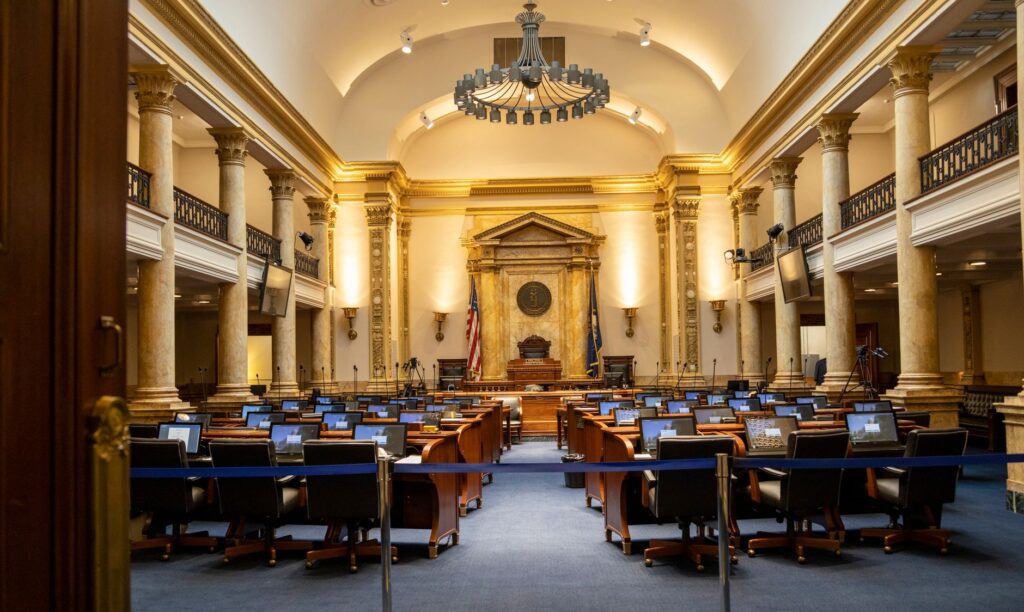
Georgia Senate Debate featured significant moments that captivated audiences and raised eyebrows. Key exchanges highlighted the contentious atmosphere of the political race.
Overview of the Georgia Senate Debate
The recent Georgia Senate Debate showcased a series of intense exchanges and dramatic moments that captivated viewers across the nation. Candidates engaged in heated discussions, addressing pressing issues that resonate with voters. The debate, marked by emotional appeals and sharp rebuttals, revealed the contrasting styles of the participating senators.
Throughout the event, several key moments stood out, leaving a lasting impression on the audience. Highlights included:
- Personal Attacks: Candidates did not shy away from targeting each other’s records, leading to some of the most talked-about exchanges of the night.
- Policy Disagreements: Debates over healthcare, education, and economic policy highlighted the differing visions for Georgia’s future.
- Unforgettable Quotes: One candidate’s dramatic assertion, labeling opponents as “hiring half the Third Reich,” stunned viewers and sparked widespread discussion.
- Audience Reactions: The debate was not only a battle of words but also a test of personality, with the audience visibly reacting to key statements.
In summary, the Georgia Senate Debate provided a platform for candidates to showcase their positions while revealing the high stakes of the upcoming election.
Key Candidates and Their Positions
The recent Georgia Senate Debate showcased several key candidates, each presenting their distinct positions on critical issues affecting the state and the nation. Among the main contenders were:
- Candidate A: Known for their progressive stance, Candidate A emphasized the need for comprehensive healthcare reform and climate action. They argued that failure to address these issues would lead to dire consequences for future generations.
- Candidate B: Taking a more conservative approach, Candidate B focused on economic growth and job creation. They highlighted tax cuts as essential for stimulating the economy and attracting businesses to Georgia.
- Candidate C: A centrist, Candidate C aimed to appeal to both sides of the political spectrum. They advocated for bipartisan solutions to tackle immigration reform and infrastructure improvements, stressing the importance of collaboration.
Throughout the Georgia Senate Debate, the candidates frequently clashed on their differing views, with moments of tension arising from their contrasting policies. As voters prepare for the upcoming election, understanding these positions will be crucial in determining the future direction of Georgia’s leadership.
Notable Quotes from the Debate
The Georgia Senate Debate was marked by several notable quotes that encapsulated the intensity and drama of the evening. Candidates took bold stances, often leading to memorable exchanges.
- Candidate A: “You’ve hired half the Third Reich,” a comment that ignited backlash and sparked discussions about its implications.
- Candidate B: “We need to focus on unity and progress, not division,” aiming to offer a contrasting vision to the heated rhetoric.
- Candidate C: “This election is about our future, not our past,” emphasizing a forward-looking approach in the face of contentious issues.
- Candidate D: “If elected, I will prioritize our veterans, who have sacrificed so much for our freedom,” a statement that resonated with many voters present.
These quotes not only highlight the candidates’ positions but also reflect the charged atmosphere of the Georgia Senate Debate. Each statement has the potential to shape public perception and influence voter decisions as the campaign progresses.
As the candidates continue to navigate this challenging political landscape, such memorable moments will likely be referenced in future discussions surrounding the election.
Audience Reactions and Polling
The Georgia Senate Debate drew significant attention not only for its content but also for the audience’s reactions. As candidates engaged in heated exchanges, spectators responded with a mix of cheers and boos, reflecting the polarized sentiments surrounding the race. Many viewers took to social media to express their disbelief at several contentious moments, including remarks that were deemed particularly inflammatory.
A recent poll conducted immediately after the debate revealed that voter sentiment was deeply divided. Approximately 45% of respondents felt that the candidates failed to adequately address critical issues facing Georgia, while 35% believed the debate effectively highlighted their differences. Notably, 20% of those surveyed reported that they were more undecided after viewing the debate than before.
Some audience members noted that certain moments, such as the comment about hiring “half the Third Reich,” overshadowed substantive policy discussions. As a result, many expressed concern that sensational remarks might detract from understanding the candidates’ positions on key issues. The overall impression from polls indicated that while the Georgia Senate Debate was memorable, it may not have swayed undecided voters significantly, leaving the race wide open as election day approaches.
Analysis of Debate Strategies
The recent Georgia Senate Debate showcased a range of strategies employed by candidates as they sought to make their mark. Each participant aimed to resonate with voters, but several moments highlighted their respective weaknesses.
- Attacks on Opponents: One prominent strategy involved aggressive attacks on opponents. Candidates attempted to discredit each other’s records, but some arguments came off as desperate rather than effective.
- Emotional Appeals: Several candidates relied on emotional appeals, sharing personal stories intended to connect with the audience. While some moments were poignant, others felt overly rehearsed and insincere.
- Fact-Checking Failures: A notable misstep involved candidates making claims that were quickly fact-checked, resulting in backlash from both the audience and analysts. This highlighted the importance of credibility in the Georgia Senate Debate.
- Body Language: Non-verbal communication also played a significant role, with candidates using gestures to emphasize points. However, some appeared overly defensive, which detracted from their messages.
Overall, the debate revealed that while candidates are eager to engage, the execution of their strategies often fell short, leaving voters with mixed impressions.
Impact on the Upcoming Election
The recent Georgia Senate Debate has left a significant mark on the political landscape as the state approaches its pivotal election. Analysts suggest that the moments from the debate could sway undecided voters and influence turnout rates among key demographics.
Experts point to several factors that may impact the upcoming election:
- Voter Sentiment: The intense exchanges and controversial remarks may energize supporters and alienate moderates.
- Media Coverage: The debate has garnered extensive media attention, with particular focus on the more shocking moments that could dominate headlines in the weeks leading up to the election.
- Debate Performance: Candidates who effectively articulated their positions and addressed their opponents’ attacks may gain a competitive edge.
- Social Media Influence: With the debate trending online, snippets of the worst moments could go viral, shaping public perception and engagement.
As the Georgia Senate Debate provided a stage for candidates to showcase their platforms, it also revealed vulnerabilities that could be exploited in campaign ads. The impact of this debate will likely resonate throughout the election cycle, making it a focal point for both candidates and voters alike.
Georgia Senate Debate: Key Moments
The recent Georgia Senate Debate showcased a series of contentious exchanges that have sparked considerable discussion among voters. Here are some of the key moments that defined the event:
- Accusations of Extremism: One candidate sharply criticized their opponent, claiming, “You’ve hired half the Third Reich,” which shocked both the audience and viewers at home.
- Policy Disagreements: Candidates clashed over critical issues such as healthcare and immigration, highlighting their divergent approaches and creating a tense atmosphere.
- Emotional Appeals: Several moments featured candidates sharing personal stories, aiming to connect with voters on a more emotional level, which resonated with many in attendance.
- Fact-Checking in Real Time: A notable exchange involved candidates calling each other out on misleading statements, prompting an intense debate over the truthfulness of their claims.
- Closing Statements: Each candidate delivered passionate closing remarks, reiterating their commitment to their respective platforms and urging voters to consider their positions carefully.
These moments from the Georgia Senate Debate not only captivated the audience but also raised critical questions about the candidates’ readiness for the upcoming election.
Future Implications for Voters
The recent Georgia Senate Debate has left a significant mark on the political landscape, raising questions about the future implications for voters in the state. As candidates presented their views, several key themes emerged that may influence voter sentiment as the election approaches.
Many voters expressed concern over the tone and content of the debate, with some feeling that personal attacks overshadowed substantial policy discussions. This could lead to disillusionment among constituents who are looking for thoughtful discourse rather than divisive rhetoric.
Moreover, the debate highlighted various issues that are critical to voters, including:
- Healthcare reform: Candidates presented differing views on how to improve access and affordability.
- Economic policies: The impact of proposed tax changes was a hot topic, resonating with many voters concerned about their financial futures.
- Social justice: Discussions around racial equity and law enforcement drew passionate responses from the audience.
As the fallout from the Georgia Senate Debate continues, voters will need to reflect on how these moments shape their perceptions and decisions in the upcoming election.
Photo by raksasok heng on Pexels