
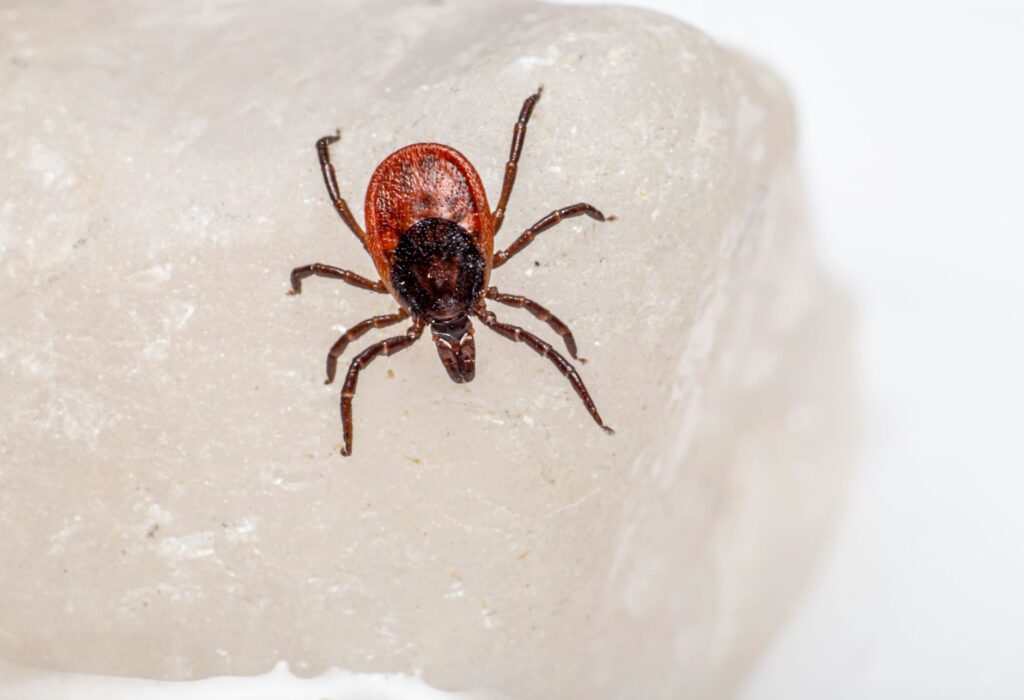
The flesh-eating parasite is making a troubling return to the US, alarming health officials and the public alike. This resurgence raises concerns about its impact on human health.
Understanding the Flesh-eating Parasite
The flesh-eating parasite has become a significant concern for public health officials in recent years. This organism can inflict severe damage on human tissue, leading to devastating health consequences. It is primarily known for its ability to invade open wounds and bodily openings, including the ears, where it lays hundreds of eggs. The rapid proliferation of the parasite can lead to extensive necrosis, requiring urgent medical intervention.
Understanding how this parasite operates is crucial for prevention and treatment. The lifecycle of the flesh-eating parasite often begins in environments with poor sanitation, where it can thrive and infect unsuspecting individuals. It is especially dangerous for those with compromised immune systems or existing health conditions, making awareness and education vital.
- Symptoms: Initial symptoms may include swelling, redness, and intense pain at the infection site.
- Diagnosis: Healthcare providers may use imaging and tissue biopsies to confirm the presence of the parasite.
- Treatment: Early intervention can involve antibiotics, but severe cases may require surgical removal of infected tissue.
As the flesh-eating parasite continues to pose a threat, staying informed is essential for safeguarding health.
Symptoms of Infection
Recognizing the symptoms of a flesh-eating parasite infection is crucial for timely treatment and prevention of severe complications. Individuals exposed to this parasite may experience a range of alarming signs, which can vary in intensity.
- Severe Pain: Intense pain around the wound site is often one of the first symptoms. This pain can escalate quickly, indicating a deeper infection.
- Redness and Swelling: The area surrounding the infection may become red and swollen, signaling inflammation as the body reacts to the invading organism.
- Foul Smell: As the infection progresses, a distinct odor may emanate from the wound, caused by the decay of tissue.
- Fever and Chills: Systemic symptoms such as fever and chills can occur as the body attempts to fight off the infection.
- Rapid Tissue Loss: One of the most alarming symptoms is the rapid deterioration of skin and tissue, which can lead to severe complications if not treated promptly.
If you notice any of these symptoms, it is essential to seek medical attention immediately to prevent further health risks associated with this dangerous flesh-eating parasite.
Recent Outbreaks in the US
Recent outbreaks of a flesh-eating parasite have raised significant health concerns across the United States. Reports indicate that these parasites are becoming more prevalent, with multiple cases documented in various states.
In particular, the Centers for Disease Control and Prevention (CDC) has urged the public to be vigilant, as infections can occur rapidly. The parasite primarily enters the body through open wounds or bodily openings, such as the ears. Once inside, they can lay hundreds of eggs, leading to severe health complications.
Recent cases have been reported in:
- Florida
- Texas
- California
- New York
Health professionals emphasize the importance of prompt medical attention if any signs of infection arise. Communities are being educated on preventive measures, including maintaining proper hygiene and avoiding contact with potentially contaminated water sources.
As awareness grows, authorities are working to track and control the spread of this alarming flesh-eating parasite, underscoring the need for public vigilance in safeguarding health.
Preventative Measures to Take
Preventing infection from the flesh-eating parasite is crucial, especially in areas where recent outbreaks have occurred. Individuals can take several measures to reduce their risk.
- Practice Good Hygiene: Regularly wash your hands with soap and water, particularly after handling soil, water, or animals.
- Protect Open Wounds: Keep cuts and scrapes clean and covered. Use waterproof bandages when engaging in activities that may expose wounds to dirt or water.
- Avoid Contaminated Water: Stay away from stagnant water sources, especially in regions where the flesh-eating parasite is known to thrive.
- Wear Protective Clothing: When outdoors, especially in wooded or marshy areas, opt for long sleeves and pants to minimize skin exposure.
- Inspect Pets: Regularly check pets for signs of infection or parasites, as they can carry harmful organisms into your home.
Taking these steps can significantly reduce the likelihood of encountering this dangerous parasite and help safeguard your health.
Expert Opinions on the Threat
Experts are increasingly concerned about the resurgence of the flesh-eating parasite, emphasizing the urgent need for public awareness and preventive measures. Dr. Emily Thompson, an infectious disease specialist, warns, “These parasites can lead to severe complications if left untreated. Early detection is crucial.”
In a recent interview, Dr. Mark Reynolds, a parasitologist, highlighted the alarming nature of these infections. He stated, “They burrow their way into open wounds and bodily openings, such as the ears, laying hundreds of eggs. This cycle can create a rapid increase in cases.”
Health officials are particularly worried about vulnerable populations, including the elderly and those with compromised immune systems. “The flesh-eating parasite poses a significant threat, and we must be vigilant, especially during warmer months when outbreaks are more likely,” Dr. Reynolds added.
Public health initiatives are focusing on educating communities about the risks associated with open wounds and the importance of seeking immediate medical attention. As experts continue to study the flesh-eating parasite, they stress that informed awareness can make a crucial difference in outcomes.
How to Identify Infection Early
Identifying an infection caused by a flesh-eating parasite early can be crucial for effective treatment. Here are some key signs to watch for:
- Open Wounds: Pay attention to any unusual sores or wounds on the body, especially if they seem to worsen over time.
- Increased Pain: If a wound becomes increasingly painful, this may indicate an infection.
- Discoloration: Look for redness or darkening of the skin surrounding a wound, which can signal an infection.
- Swelling: Significant swelling in the area can be a sign that the body is responding to an infection.
- Unusual Discharge: Any pus or unusual discharge from a wound should be taken seriously and examined by a healthcare professional.
- Fever: A sudden fever may indicate that an infection is spreading throughout the body.
If you notice any of these symptoms, it is essential to seek medical attention immediately. Early diagnosis and treatment can significantly improve outcomes for those affected by this dangerous flesh-eating parasite.
Treatment Options Available
Treatment options for infections caused by the flesh-eating parasite are critical for reducing the severity of the condition and improving patient outcomes. Early intervention is essential, as the speed at which the parasite can progress makes timely medical attention necessary.
Medical professionals typically recommend the following treatment options:
- Antibiotics: High-dose intravenous antibiotics are often the first line of defense against the bacteria associated with flesh-eating infections. These medications help to halt the spread of the infection.
- Debridement: In severe cases, surgical intervention may be required to remove dead or infected tissue from the wound. This procedure is crucial for preventing the infection from spreading further.
- Supportive Care: Patients may require hospitalization for monitoring and supportive care, including pain management and fluid replacement, to ensure they remain stable during treatment.
- Hyperbaric Oxygen Therapy: Some studies suggest that this therapy can enhance healing by promoting oxygen delivery to infected tissues, supporting the body’s natural defenses against the flesh-eating parasite.
Overall, early diagnosis and a comprehensive treatment approach are vital to combat the serious threat posed by these infections.
Community Awareness and Education
As the threat of the flesh-eating parasite looms, community awareness and education become crucial in combating its spread. Local health departments and organizations are stepping up efforts to inform the public about the risks associated with this dangerous organism.
Community initiatives are being developed to help people understand the importance of hygiene and wound care. Key strategies include:
- Workshops: Educational sessions on proper wound management and the risks of ignoring minor injuries.
- Distribution of Materials: Flyers and pamphlets that detail how to recognize symptoms and when to seek medical help.
- Public Demonstrations: Live demonstrations on effective cleaning techniques for cuts and scrapes.
Additionally, schools are incorporating health education into their curricula to ensure that children are aware of the dangers posed by the flesh-eating parasite. By fostering a sense of responsibility and awareness, communities can better protect themselves.
It is essential for everyone to stay informed and proactive, especially in areas where outbreaks have been reported. Together, we can reduce the risk of infection and safeguard public health.
Photo by Erik Karits on Pexels
Where this came from
Porsche layoffs: The Worst Impact of Volkswagen’s Plan · Course Recommendation Method: Proven Simple Strategies · Space Marines detachments: What Are the Best Proven Strategies?