
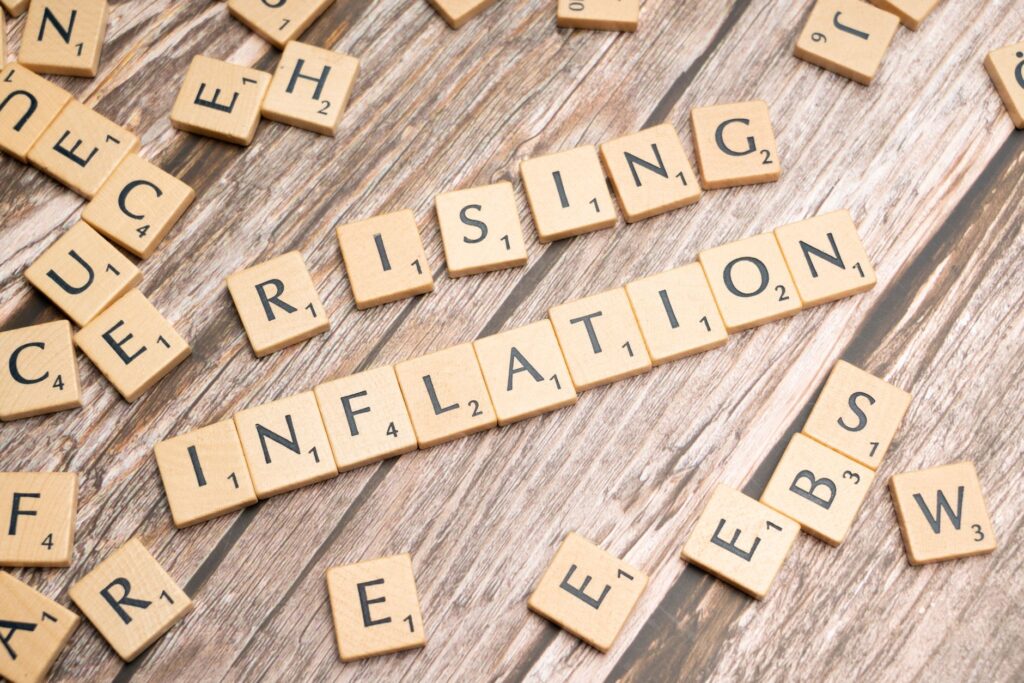
Fed rate hikes are making headlines as investors react to the latest inflation data. With bonds tumbling, many are concerned about the implications for their portfolios.
Impact of Inflation on Bonds
The recent surge in inflation has significantly impacted the bond market, leading to considerable turmoil. As inflation rates soar, investors are increasingly concerned about the potential for further Fed rate hikes, which could exacerbate the situation.
When interest rates rise, bond prices typically fall, resulting in losses for investors holding fixed-income securities. This inverse relationship has been particularly evident as the Federal Reserve signals its intention to combat inflation through tighter monetary policy. The impact is profound, as many bondholders face diminished returns.
Key factors influencing this scenario include:
- Rising Inflation: Persistent inflationary pressures can erode the real returns on bonds.
- Interest Rate Expectations: Anticipation of further Fed rate hikes leads to increased volatility in bond prices.
- Investor Sentiment: A shift in market confidence can trigger significant sell-offs in the bond market.
As bonds tumble, the future remains uncertain for investors navigating these turbulent waters.
What Investors Should Know
As the Federal Reserve continues to implement rate hikes in response to rising inflation, investors must navigate the challenges that come with such economic changes. Understanding the implications of these adjustments is crucial for making informed investment decisions.
Key considerations for investors include:
- Interest Rate Sensitivity: Bonds typically lose value when rates rise, which can impact fixed-income portfolios.
- Market Volatility: Increased uncertainty may lead to fluctuations in stock prices, affecting overall market stability.
- Sector Performance: Certain sectors, like utilities and real estate, may face headwinds due to higher borrowing costs, while financials could benefit.
- Long-term Strategy: Investors should focus on their long-term goals and consider whether short-term volatility aligns with their risk tolerance.
While Fed rate hikes may seem detrimental at first glance, they can also create opportunities for strategic investors. Staying informed and adjusting portfolios accordingly can help mitigate risks associated with rising interest rates.
Future Fed Rate Predictions
As the financial landscape evolves, future Fed rate hikes are a topic of intense speculation among investors. Analysts are closely monitoring economic indicators that could influence the Federal Reserve’s next moves. With inflation remaining higher than expected, the pressure is mounting for the Fed to continue increasing interest rates.
Experts predict several potential scenarios for the upcoming months:
- Continued Increases: If inflation persists, the Fed may opt for more aggressive rate hikes, which could further impact bond markets.
- Pause in Rate Hikes: Should inflation show signs of stabilizing, the Fed might decide to pause, allowing markets to adjust.
- Rate Cuts: In a less likely scenario, if economic growth slows significantly, the Fed could consider cutting rates, though this would depend on a substantial downturn.
Investors must remain vigilant and adaptable, as the implications of these decisions could drastically alter investment strategies and market dynamics.
Understanding Market Reactions
Market reactions to Fed rate hikes can be complex and varied, often reflecting broader economic sentiments. Investors typically respond to interest rate changes based on their potential impact on growth and inflation. With each hike, borrowing costs increase, which can lead to slower consumer spending and business investment.
In the current environment of rising inflation, the anticipation of further Fed rate hikes has caused significant volatility in the markets. Many investors are concerned about the long-term implications of these decisions, particularly for asset classes sensitive to interest rates, such as:
- Bonds
- Real Estate
- Equities
Additionally, the fear of a recession looms large as the Fed attempts to tame inflation without derailing the economy. As rates continue to rise, some analysts warn that aggressive hikes might prove detrimental to investor sentiment in the long run, potentially leading to a reevaluation of risk and asset allocation strategies.
Photo by Markus Winkler on Pexels