
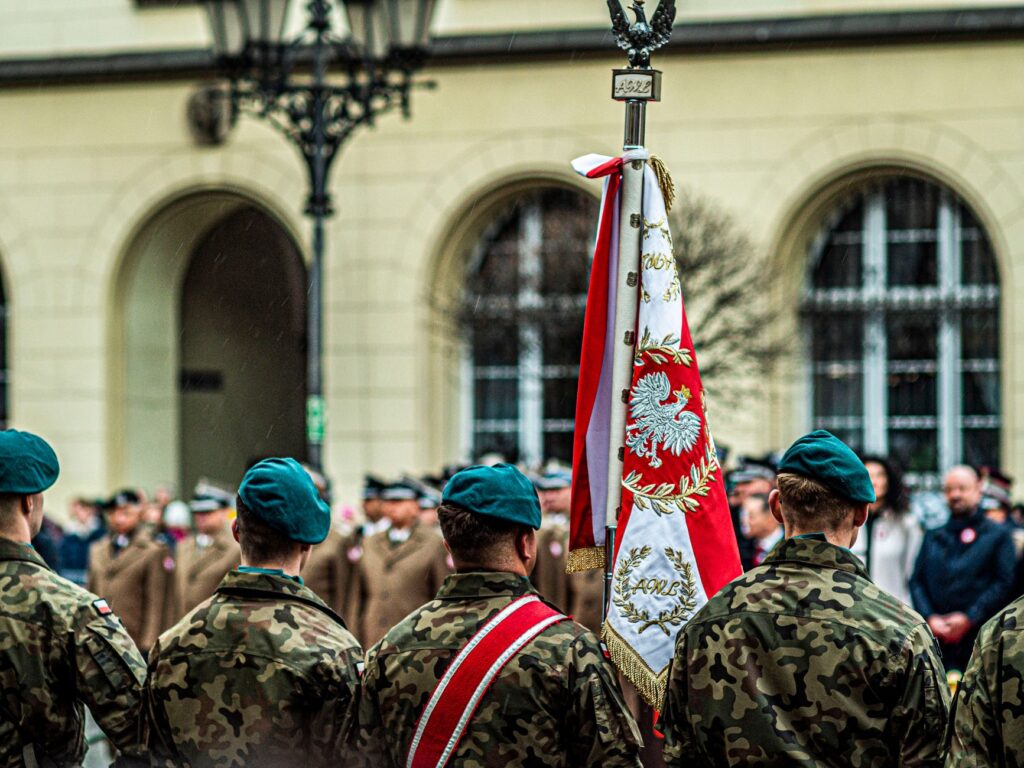
Catholics in army are urged by a US archbishop to refrain from participating in firing squads, raising important ethical questions.
US Archbishop’s Statement on Military Ethics
In a recent statement, US Archbishop Timothy Broglio addressed the ethical considerations surrounding Catholics in the army and their participation in capital punishment, particularly in the context of firing squads. He emphasized that involvement in such executions contradicts the core values of the Catholic faith, which upholds the sanctity of life.
The Archbishop stated, “The act of taking a life is fundamentally opposed to the teachings of Christ and the moral principles that guide our faith.” He urged military personnel to reflect deeply on their roles and responsibilities, especially when it comes to actions that can have irreversible consequences.
Broglio highlighted several key points for Catholics in the army to consider:
- Sanctity of Life: Every human life is valuable and deserves respect.
- Moral Responsibility: Soldiers must act in accordance with their conscience and faith.
- Alternative Solutions: The military should seek non-lethal methods for addressing conflicts.
Ultimately, the Archbishop’s message calls for a re-evaluation of military practices that may conflict with Catholic teachings, urging a commitment to upholding human dignity even in the face of war.
The Role of Faith in the Armed Forces
The intersection of faith and military service presents unique challenges for Catholics in the army. As warriors, they are called to uphold the values of their faith while navigating the demands of military duty. The moral dilemmas they face can sometimes clash with the tenets of Catholicism, particularly when it comes to life and death decisions.
The recent statement by the US Archbishop highlights the importance of adhering to one’s beliefs in the face of such dilemmas. He emphasized that participation in actions like firing squads directly contradicts the core principles of the Catholic faith, which emphasizes the sanctity of life.
For many Catholics in the army, faith serves as a guiding light, offering strength and clarity in difficult situations. The Church provides a moral framework that can help service members reconcile their duties with their beliefs. It invites them to reflect on their actions and seek alternatives that align with their religious convictions.
Ultimately, the role of faith in the armed forces is crucial. It not only shapes individual decisions but also fosters a sense of community among those who strive to balance their commitment to serve with their commitment to their faith.
Catholic Doctrine and Military Service
Catholic doctrine emphasizes the sanctity of life, which poses a significant challenge for Catholics in the army when faced with the harsh realities of military service. The church teaches that every human life is valuable and that the act of taking a life, even in a combat situation, requires deep moral reflection and spiritual discernment.
In light of this belief, the involvement of Catholics in army units that may participate in capital punishment, such as firing squads, raises ethical concerns. The church encourages its members to seek alternatives that align with the principles of justice and mercy, rather than participating in acts that directly oppose the fundamental teachings of Christianity.
Furthermore, the Catholic tradition calls for a commitment to peace and reconciliation, underscoring the importance of resolving conflicts through dialogue rather than violence. Many theologians argue that this perspective should extend to military service, where the actions of service members reflect their faith and moral convictions.
As discussions continue regarding military ethics and the responsibilities of Catholics in the army, it is essential for individuals to consider the implications of their roles and the potential conflicts with their religious beliefs.
Public Reaction to the Archbishop’s Remarks
The recent remarks made by the US Archbishop regarding Catholics in the army and their participation in firing squads have sparked a significant public reaction. Many individuals and organizations have taken to social media and various platforms to express their opinions on the matter.
Supporters of the Archbishop’s stance argue that the principles of Catholic teaching advocate for the sanctity of life, making it morally inconsistent for Catholics in the army to be involved in such practices. They believe that the Archbishop’s voice is crucial in guiding military personnel in aligning their duties with their faith.
On the other hand, some critics contend that the Archbishop’s comments may undermine the complexities faced by soldiers in combat situations. They suggest that while moral guidance is important, it is equally vital to consider the realities of military service and the tough decisions that come with it.
In light of this debate, various Catholic organizations are planning discussions about the implications of the Archbishop’s remarks on the lives of Catholics in the army. As the conversation continues, the intersection of faith, morality, and duty remains at the forefront of public discourse.
Catholics in army must adhere to their faith’s teachings, which emphasize the sanctity of life. It is essential for Catholics in army to seek alternative methods of discipline that align with their moral beliefs.
Photo by SHOX ART on Pexels
Sources
Getty Images Restructuring Deal: A Smart Move for Growth · Salesforce Stock Upgrade: Proven Benefits from AI Trends · Nvidia Micron Technology: Worst News From an Unlikely Source