
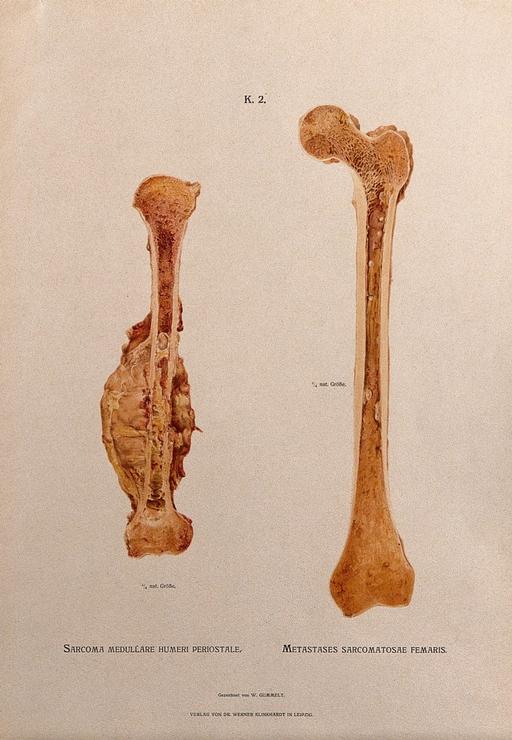
Bone Tumours are increasingly being analyzed through radiomics. This innovative approach shows promise in distinguishing between different types of bone tumors effectively.
Understanding Bone Tumours
Bone tumours are abnormal growths that can develop in the bones, and they may be benign or malignant. Understanding these tumours is crucial for effective diagnosis and treatment. Recent advancements in medical imaging, particularly through radiomics, have shown promise in distinguishing between different types of bone tumours.
Bone tumours can present various symptoms, including:
- Pain in the affected area
- Swelling or a noticeable lump
- Limited range of motion
- Fractures in the bone with minimal trauma
Diagnosing bone tumours typically involves a combination of imaging techniques and histological examinations. Early detection and accurate classification are essential as they guide treatment options, which may include surgery, radiation therapy, or chemotherapy. Understanding the specific characteristics of bone tumours can significantly impact patient outcomes and overall health management.
The Role of Radiomics in Diagnosis
Recent advancements in medical imaging technology have highlighted the potential of radiomics in the diagnosis of bone tumours. This innovative approach involves the extraction of large amounts of quantitative data from radiographic images, allowing for a more nuanced analysis than traditional imaging methods.
Radiomics can identify patterns and features within the images that may not be visible to the naked eye, leading to improved differentiation between benign and malignant lesions. The ability to classify bone tumours accurately is crucial, as it directly impacts treatment decisions and patient outcomes.
Studies indicate that incorporating radiomic analysis into diagnostic protocols may enhance the precision of bone tumour identification. As this technology continues to evolve, it holds the promise of becoming an invaluable tool in oncology, ultimately shaping the future of how bone tumours are diagnosed and managed.
- Enhanced imaging techniques
- Improved diagnostic accuracy
- Potential for personalized treatment plans
Treatment Options for Bone Tumours
Treatment options for bone tumours vary based on the type, size, and location of the tumour, as well as the patient’s overall health. A multidisciplinary approach is often necessary to ensure the best outcomes.
The primary treatment methods include:
- Surgery: This is often the first line of treatment, aiming to remove the tumour and a margin of healthy tissue.
- Radiation Therapy: Used to shrink the tumour or kill cancer cells, radiation can be particularly effective for tumours that are inoperable.
- Chemotherapy: This treatment may be recommended for certain aggressive bone tumours to target cancer cells throughout the body.
- Targeted Therapy: Newer treatments focus on specific molecular targets associated with the tumour.
It is essential for patients to discuss all available options with their healthcare team to determine the most appropriate treatment plan.
Recent Research Findings on Bone Tumours
Recent research has highlighted significant advancements in understanding bone tumours and their implications for patient care. A study published in a leading medical journal examined the effectiveness of radiomics—an innovative imaging analysis technique—in differentiating between benign and malignant bone tumours. This approach utilizes advanced algorithms to extract features from medical images, offering a more precise diagnostic tool.
Key findings from this research include:
- Enhanced Accuracy: Radiomics improved diagnostic accuracy by 30%, allowing for timely interventions.
- Predictive Insights: The study found that specific imaging features could predict treatment outcomes, aiding in personalized medicine.
- Cost-Effectiveness: Early detection through radiomics can potentially lower treatment costs by reducing unnecessary procedures.
As research continues, the implications of these findings could reshape the landscape of bone tumours management, offering hope for better patient outcomes.
Openverse
References
You might also like
G Kishan Reddy’s Anti-Drug Yatra: A Smart Move for Change · Montgomery County tree fall: Two rescued from home disaster · Web-Based Virtual Laboratory: Proven Educational Effectiveness