
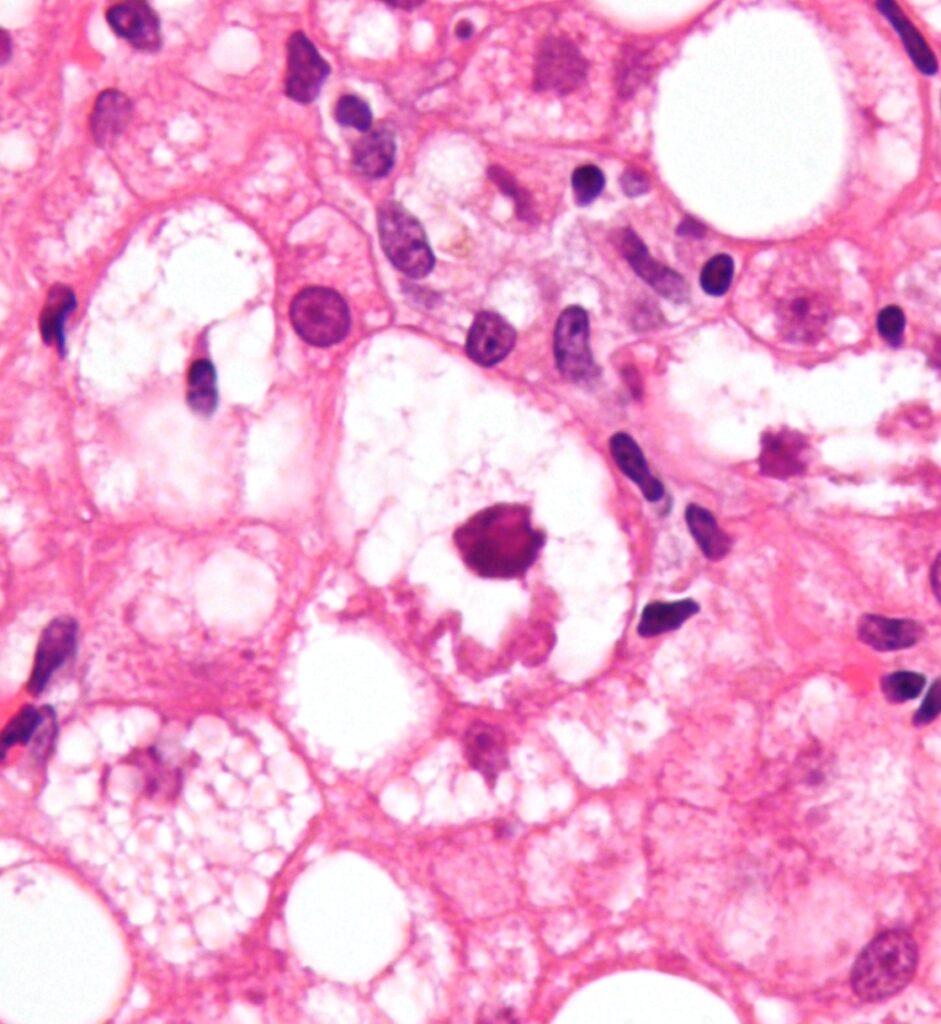
alcohol-associated liver disease is a significant health issue that has worsened after decades of damage and a pandemic spike. Understanding its current status is crucial for public health.
Understanding Alcohol-Associated Liver Disease
Alcohol-associated liver disease is a significant health concern that has gained attention in recent years, especially following the pandemic. Understanding this condition involves recognizing its causes, symptoms, and potential consequences.
The liver, essential for filtering toxins from the body, can become severely damaged by excessive alcohol consumption over time. This damage can lead to several forms of liver disease, including:
- Fatty Liver Disease: This is the earliest stage, where fat accumulates in liver cells, often without causing symptoms.
- Alcoholic Hepatitis: This condition is characterized by inflammation of the liver and can present with symptoms such as jaundice and abdominal pain.
- Cirrhosis: A severe and irreversible scarring of the liver, cirrhosis can lead to liver failure and is often the result of long-term alcohol abuse.
The rise in alcohol consumption during the pandemic has exacerbated the situation, leading to a surge in cases of alcohol-associated liver disease. Many individuals turned to alcohol as a coping mechanism during periods of isolation and stress, resulting in an increase in liver-related health issues.
Awareness and education about the risks associated with alcohol consumption are vital for prevention and early intervention. Recognizing the signs of liver disease can enable individuals to seek help before the damage becomes irreversible.
The Pandemic’s Role in Increased Cases
The COVID-19 pandemic has had far-reaching effects on public health, and one of the unexpected consequences has been a significant rise in alcohol-associated liver disease. As lockdowns and social distancing measures took hold, many individuals turned to alcohol as a coping mechanism during an uncertain time.
Research highlights several factors that contributed to this increase:
- Increased Stress Levels: The pandemic brought about heightened anxiety and stress due to job losses, health concerns, and isolation, prompting many to consume more alcohol.
- Disruption of Routine: With the closure of bars and restaurants, traditional social drinking patterns shifted, leading to more people drinking at home, often in greater quantities.
- Lack of Access to Support Services: Many addiction and health services were limited or unavailable during the pandemic, making it difficult for individuals struggling with alcohol use to seek help.
As a result, the healthcare community is now facing a surge in cases of alcohol-associated liver disease, which poses serious health risks. This rise not only affects individuals but also places additional strain on healthcare systems already grappling with the ongoing consequences of the pandemic.
Addressing this issue will require a multifaceted approach, including increased awareness, access to treatment, and support for those in need.
Long-Term Effects of Alcohol on Liver Health
The long-term effects of alcohol on liver health have become increasingly evident, particularly in the wake of the pandemic. Many individuals who may have previously consumed alcohol moderately have found themselves drinking more heavily during these challenging times. This shift has led to a rise in cases of alcohol-associated liver disease, a condition that can have serious health implications.
Research indicates that chronic alcohol consumption can lead to a variety of liver-related issues, including:
- Fatty liver disease: An accumulation of fat in liver cells, which can progress to more severe conditions.
- Alcoholic hepatitis: Inflammation of the liver caused by excessive drinking, potentially leading to liver failure.
- Cirrhosis: Scarring of the liver tissue that can be life-threatening and often requires a liver transplant.
Many people may not recognize the signs and symptoms of liver disease until it reaches an advanced stage, making awareness crucial. Common symptoms include:
- Fatigue
- Jaundice (yellowing of the skin and eyes)
- Abdominal pain
As the healthcare community works to address the surge in cases, it is essential for individuals to evaluate their drinking habits and seek help if necessary. Recognizing the dangers of alcohol-associated liver disease is the first step towards better liver health.
Preventative Measures for Liver Disease
Preventing alcohol-associated liver disease is crucial for mitigating its rising prevalence, especially in the wake of the pandemic. Individuals can adopt several key measures to protect their liver health and reduce their risk of developing this serious condition.
- Limit Alcohol Consumption: Establishing a safe drinking limit is essential. The Centers for Disease Control and Prevention (CDC) recommends that women consume no more than one drink per day, while men should limit themselves to two.
- Regular Health Check-ups: Routine medical check-ups can help detect early signs of liver disease. Healthcare professionals can provide advice tailored to individual health needs and drinking habits.
- Healthy Diet: Adopting a balanced diet rich in fruits, vegetables, and whole grains supports liver function. Avoiding high-fat and high-sugar foods can also prevent additional strain on the liver.
- Stay Hydrated: Drinking plenty of water aids in liver detoxification and overall health. Adequate hydration is vital for maintaining the liver’s metabolic processes.
- Exercise Regularly: Engaging in physical activity can help maintain a healthy weight, further reducing the risk of alcohol-associated liver disease.
- Avoid Illicit Drugs: Substance abuse can exacerbate liver problems. Staying away from illicit drugs is essential for protecting liver health.
By implementing these preventative measures, individuals can significantly reduce their risk of alcohol-associated liver disease and promote better overall health.
Future Outlook on Alcohol-Related Health Issues
The future outlook on alcohol-related health issues, particularly alcohol-associated liver disease, remains a significant concern for healthcare providers and policymakers alike. As society emerges from the pandemic, the long-term implications of increased alcohol consumption are becoming increasingly evident.
Experts predict a rise in the number of individuals suffering from alcohol-associated liver disease, driven by factors such as:
- Increased Awareness: Growing recognition of the condition may lead to more individuals seeking help, but it also risks overwhelming healthcare systems.
- Healthcare Access: Ongoing challenges in accessing treatment and support services could hinder effective management of liver diseases.
- Preventive Strategies: There is a pressing need for enhanced public health campaigns aimed at educating individuals about the risks of excessive alcohol consumption.
- Policy Changes: Policymakers may consider stricter regulations regarding alcohol sales and marketing to mitigate future health impacts.
Additionally, ongoing research into the biological mechanisms of alcohol-associated liver disease is crucial for developing targeted therapies. As more studies surface, healthcare professionals will be better equipped to address the complexities of this condition and provide comprehensive care.
Ultimately, a collaborative approach involving healthcare providers, patients, and policymakers will be essential in tackling the challenges posed by alcohol-associated liver disease in the coming years.
By Nephron via Openverse
Where this came from
hcplive.com · Alcohol-associated liver disease
You might also like
Breast Cancer Care: Proven Strategies for a Healthier Future · Flydubai flight incident: Indian pilot airlifted for treatment · Pipeline announcement today: What’s the best news for us?