
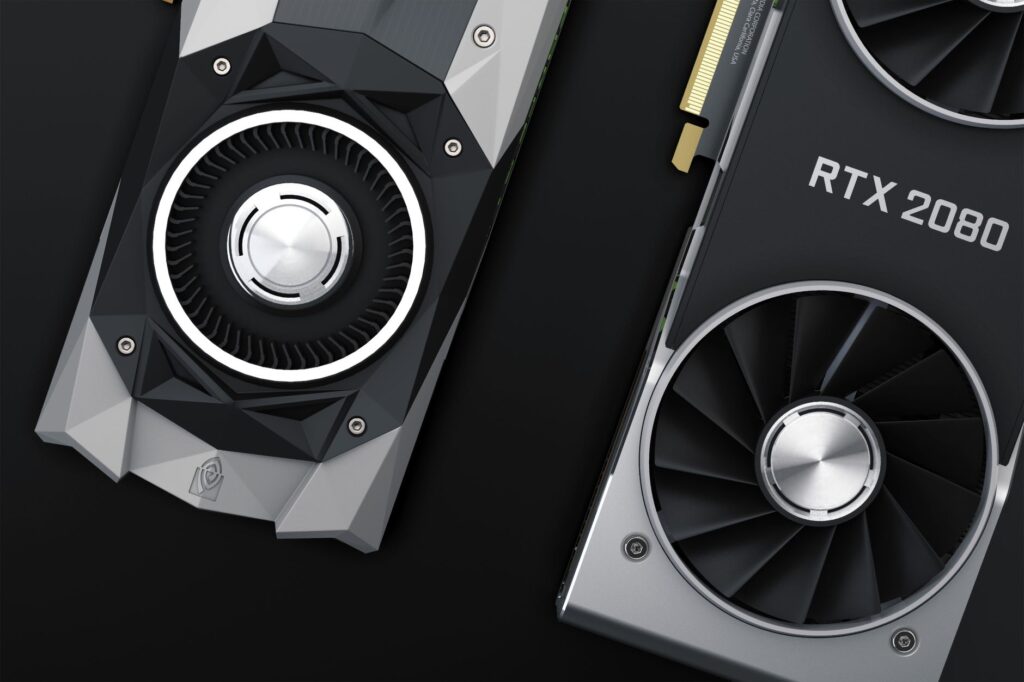
Nvidia RTX Spark is transforming the tech landscape as it promises that everything will run on Arm. This innovation is set to change how we perceive device compatibility and performance.
Introduction to Nvidia RTX Spark
Nvidia RTX Spark represents a significant breakthrough in the realm of Arm devices, promising to enhance performance and efficiency across various applications. This innovative technology is designed to leverage the capabilities of Arm architecture, which is increasingly becoming the backbone of modern computing.
As the demand for powerful yet energy-efficient solutions grows, Nvidia has positioned RTX Spark as a pivotal player in this transition. With its ability to handle complex tasks seamlessly, users can expect improved graphics rendering, accelerated machine learning, and enhanced gaming experiences on Arm-based systems.
The introduction of Nvidia RTX Spark is particularly noteworthy as it aims to support a wide range of applications, making it an all-encompassing solution for developers and consumers alike. Here are some key aspects of this technology:
- Performance Optimization: Delivers superior performance compared to traditional graphics solutions.
- Energy Efficiency: Reduces power consumption without compromising on speed.
- Broad Compatibility: Ensures that a variety of applications can run seamlessly on Arm devices.
With Nvidia RTX Spark, the future of computing on Arm devices looks promising, setting a new standard for what is possible in this evolving landscape.
How Arm Technology Works
Arm technology is fundamentally designed to provide efficient computing power across a variety of devices, making it a popular choice for mobile and embedded systems. At its core, Arm architecture utilizes a Reduced Instruction Set Computing (RISC) approach, which simplifies the number of instructions that a processor must execute. This leads to less energy consumption and greater performance per watt, a key advantage for battery-operated devices.
The integration of Nvidia RTX Spark with Arm technology signifies a leap forward, as it allows for enhanced graphics and computing capabilities on Arm-based systems. This synergy means that applications previously limited to traditional x86 architectures can now run seamlessly on Arm devices, expanding the software ecosystem significantly.
Furthermore, the ability to utilize Nvidia’s powerful graphics processing capabilities enables developers to create more complex and visually appealing applications. With Arm’s growing presence in the market, the combination of Nvidia RTX Spark and Arm technology is poised to revolutionize the way users interact with their devices.
In summary, Arm technology’s efficiency, paired with Nvidia RTX Spark’s advanced features, is set to redefine performance standards across a range of applications.
Benefits of Using Arm in Devices
The adoption of Arm architecture in devices offers numerous advantages that enhance performance and efficiency. With the introduction of Nvidia RTX Spark, these benefits become even more pronounced.
- Energy Efficiency: Arm processors are renowned for their low power consumption, making them ideal for mobile and embedded devices. This efficiency allows for longer battery life and reduced heat generation.
- Performance: The combination of Nvidia RTX Spark with Arm technology enables high-performance computing capabilities, allowing devices to handle complex tasks seamlessly.
- Scalability: Arm architecture is highly scalable, which means it can be effectively implemented in a wide range of devices, from smartphones to servers, without significant redesigns.
- Cost-Effectiveness: By utilizing Arm-based systems, manufacturers can reduce costs associated with production and maintenance, leading to more affordable devices for consumers.
- Better Integration: Nvidia RTX Spark allows for enhanced integration of graphics and computing tasks, facilitating improved user experiences in gaming and multimedia applications.
Overall, the synergy between Arm technology and Nvidia RTX Spark provides a compelling reason for developers and manufacturers to embrace this innovative approach in their next-generation devices.
Nvidia’s Role in Tech Advancement
Nvidia has long been at the forefront of technological advancement, particularly with its Nvidia RTX Spark innovation. This groundbreaking technology has set a new standard for how devices powered by Arm architecture operate, enhancing performance and efficiency.
As companies continue to adopt Arm technology, Nvidia’s contributions are evident in various sectors, including gaming, artificial intelligence, and cloud computing. The integration of Nvidia RTX Spark into Arm devices marks a significant shift, allowing developers to create applications that are not only faster but also more energy-efficient.
The collaboration between Nvidia and Arm opens up a plethora of opportunities for innovation. Key advantages of this partnership include:
- Improved Performance: The synergy between Nvidia’s graphics capabilities and Arm’s processing power delivers unparalleled user experiences.
- Energy Efficiency: Devices can perform demanding tasks while consuming less power, a crucial factor in today’s eco-conscious market.
- Wider Accessibility: More developers can access powerful tools, leading to a greater variety of applications on Arm devices.
In conclusion, Nvidia’s role in tech advancement through the Nvidia RTX Spark technology is undeniably transformative.
Comparing Arm and Traditional Architectures
When evaluating the performance of Arm architectures compared to traditional x86 designs, the differences become evident in several key areas. Arm architectures, driven by efficiency and adaptability, have gained significant traction in various markets, especially in mobile and embedded devices.
One major advantage of Arm over traditional architectures is power efficiency. Devices powered by Arm processors often consume less energy, making them ideal for battery-operated gadgets. This efficiency translates into longer usage times and less heat generation, which is crucial for maintaining performance.
Another factor is performance scalability. Arm architectures can easily scale from low-power, low-performance applications to high-performance tasks, accommodating a wider range of devices. This scalability is particularly beneficial for developers, as it allows for a unified approach to software development.
Moreover, Nvidia RTX Spark technology further enhances the capabilities of Arm devices by providing advanced graphics and processing power, optimizing performance across various applications. As more companies explore the potential of Arm, the landscape of computing is shifting, creating new opportunities for innovation and efficiency.
Ultimately, the choice between Arm and traditional architectures will depend on specific use cases and performance needs, but Arm’s growing influence is undeniable.
Future of Gaming with Nvidia RTX Spark
The future of gaming is undoubtedly being shaped by advancements in graphics technology, and the Nvidia RTX Spark plays a pivotal role in this transformation. As the industry shifts towards more efficient and powerful architectures, the integration of Arm technology is becoming increasingly important. By harnessing the capabilities of the Nvidia RTX Spark, developers can create immersive gaming experiences that were once deemed impossible on traditional architectures.
With the rise of cloud gaming and mobile platforms, the demand for high-performance graphics on Arm devices is surging. The Nvidia RTX Spark is designed to meet this demand, offering unparalleled rendering capabilities and real-time ray tracing that elevate gameplay to new heights. This advancement not only enhances visual fidelity but also optimizes performance, allowing gamers to enjoy smoother frame rates and more dynamic environments.
Furthermore, as game developers begin to embrace the Nvidia RTX Spark, we can expect a wave of innovative titles that fully exploit its potential. The future of gaming is not just about better graphics; it’s about creating a seamless experience across various platforms. Ultimately, the collaboration between Nvidia and Arm technology promises to redefine gaming, making it more accessible and enjoyable for everyone.
Conclusion: Embracing the Change
In conclusion, the rise of Nvidia RTX Spark marks a significant turning point in the technology landscape, especially for Arm-based devices. As we have explored, the integration of Arm architecture offers numerous advantages, including enhanced performance and energy efficiency. This shift not only benefits developers and manufacturers but also transforms the overall user experience.
Embracing the change brought by Nvidia’s innovations means that organizations and consumers alike will reap the benefits of a more versatile computing environment. The growing compatibility of software and applications with Arm technology ensures that users will have access to an ever-expanding range of functionalities.
As the gaming industry evolves with Nvidia RTX Spark, players can look forward to immersive experiences that were once unimaginable. Additionally, the seamless integration of this technology into everyday devices promises to redefine how we interact with technology across various sectors.
Ultimately, the future is bright for Arm devices powered by Nvidia RTX Spark. By staying ahead of the curve and adopting these advancements, individuals and businesses can position themselves to thrive in a rapidly changing digital landscape.
Photo by Nana Dua on Pexels