
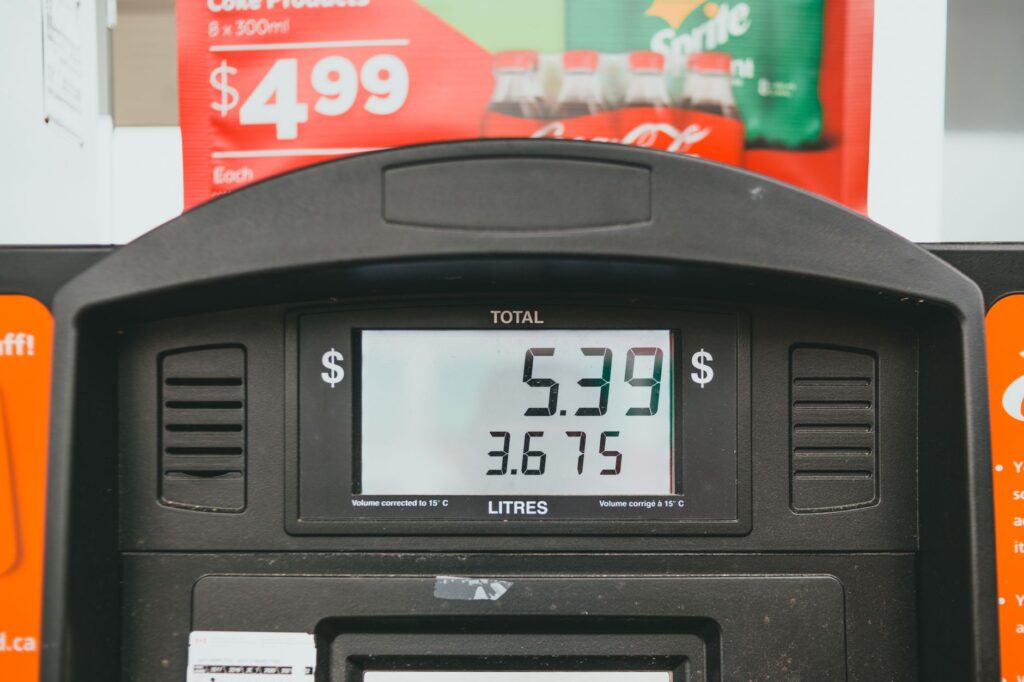
Gas prices dip below $4, offering a glimmer of hope amidst ongoing economic challenges. Despite this decline, inflation continues to pose a significant hurdle for consumers and businesses alike.
Current gas price trends
Recent reports indicate that gas prices dip below the $4 mark, providing some relief to consumers amidst ongoing economic challenges. This shift in gas prices is notable as it contrasts with the persistent inflation that continues to impact various sectors.
According to the latest data from the Energy Information Administration, the average price of gasoline has decreased, leading to a decline in transportation costs for both individuals and businesses. This change can be attributed to several factors:
- Increased oil supply: Global oil production has seen an uptick, which has contributed to lower prices at the pump.
- Seasonal demand fluctuations: With the end of the summer driving season, demand for gasoline typically decreases, allowing for price reductions.
- Geopolitical stability: Reduced tensions in key oil-producing regions have helped stabilize prices.
While the dip in gas prices is a positive development for consumers, it is essential to recognize that inflation remains a significant concern. The overall economy continues to grapple with rising costs in other areas, such as food and housing. As gas prices experience fluctuations, experts advise consumers to stay informed about broader economic indicators that may affect their financial well-being.
Impact of inflation on consumers
The recent dip in gas prices has brought a momentary relief to consumers who have been grappling with the burden of inflation. However, this decrease should not distract from the larger economic challenges that persist. While gas prices have fallen below $4, inflation remains stubbornly high, affecting a wide array of goods and services.
Consumers are feeling the pressure in various ways:
- Increased Cost of Living: Essential items such as groceries and housing have seen significant price hikes, making it difficult for families to manage their budgets.
- Reduced Disposable Income: With higher prices for everyday goods, many consumers find themselves with less disposable income, limiting their ability to spend on non-essential items.
- Impact on Savings: As inflation continues to outpace wage growth, consumers are forced to dip into savings or forgo saving altogether, which could have long-term financial implications.
The dip in gas prices is a clear sign of changing market dynamics, yet it is crucial for consumers to remain vigilant. Monitoring how these fluctuations interact with ongoing inflation is essential for making informed financial decisions in the coming months. The interplay between gas prices and overall economic health remains a topic of significant concern for many households.
Economic factors influencing gas prices
The recent dip in gas prices has been attributed to a variety of economic factors that are reshaping the energy market. As of now, the average price per gallon has fallen below $4, providing some relief to consumers. However, the underlying causes of this decline are multifaceted.
One significant factor influencing gas prices is the fluctuation in crude oil prices, which have seen a decrease due to increased production from OPEC countries and a reduction in global demand. Additionally, seasonal changes often lead to lower prices as refineries switch to cheaper winter blends.
Another aspect to consider is the impact of geopolitical tensions. As conflicts in certain regions stabilize, the fear of supply disruptions diminishes, allowing prices to dip further. Moreover, the strengthening of the U.S. dollar has made oil cheaper for American consumers, contributing to the downward trend in gas prices.
Despite these positive movements, it is essential to note that inflation remains stubbornly high. This persistent inflation can offset the benefits of lower gas prices, as consumers face increased costs in other areas. Overall, while the dip in gas prices is encouraging, the broader economic landscape continues to present challenges for households.
Regional variations in gas prices
As gas prices dip across many regions, local variations reveal a complex picture influenced by factors such as supply chain dynamics and regional demand. In some areas, prices have dropped below the significant threshold of $4 per gallon, providing relief to consumers who have been coping with rising costs.
According to recent data, the following regions are experiencing the most notable fluctuations in gas prices:
- West Coast: Prices remain the highest in this region, with some areas still exceeding $5 per gallon due to limited supply and high demand.
- Midwest: The Midwest is seeing a more significant decline, with prices averaging around $3.70 per gallon, attributed to lower transportation costs and increased refinery outputs.
- South: States in the South report some of the lowest prices, with averages around $3.50 per gallon, benefiting from ample local production and lower taxes.
- Northeast: Prices here are mixed, with some states experiencing dips but others still facing higher costs due to winter fuel requirements.
While the overall trend indicates a decrease in gas prices, these regional variations highlight the ongoing complexities of the energy market and the economic shifts influencing consumer behavior.
Historical gas price comparisons
In recent months, gas prices have shown a notable decline, with many areas experiencing prices dipping below the $4 mark. This shift has sparked discussions about the historical context of gas prices and how they compare to past trends.
Historically, gas prices have fluctuated due to various factors including geopolitical events, changes in crude oil supply, and seasonal demand variations. Over the past decade, prices have ranged significantly:
- 2013: Average gas prices hovered around $3.75 per gallon.
- 2014: Prices peaked at approximately $3.75 but saw a sharp decrease by the end of the year.
- 2018: Prices surged again, reaching levels closer to $4 per gallon, largely due to rising crude oil costs.
- 2020: The onset of the pandemic caused a dramatic drop, with prices falling below $2 in some regions.
As gas prices dip once more, many consumers are hopeful that this trend may signal a shift in the broader economic landscape. However, it remains essential to consider that while lower prices at the pump are beneficial, inflation continues to pose challenges for household budgets.
Understanding these historical comparisons can provide valuable insights into the factors influencing today’s gas prices and the potential for future fluctuations.
Expert opinions on future prices
Experts are weighing in on the recent trend as gas prices dip below $4, signaling potential changes in the broader economic landscape. While many consumers welcome the relief at the pump, analysts caution that this dip may not be indicative of a long-term decline.
- Dr. Emily Chen, an economist at the National Energy Institute, suggests that the decrease in gas prices could be a temporary response to recent fluctuations in crude oil markets. “We may see further dips in the short term, but global demand remains robust,” she notes.
- Mark Thompson, a financial analyst, highlights the impact of geopolitical tensions. “While gas prices dip now, any escalation in conflict could reverse this trend quickly,” he states, emphasizing the unpredictable nature of oil supply.
- Samantha Rivera, a consumer advocate, expresses concern over inflationary pressures. “Even with lower gas prices, many households are still feeling the pinch from rising costs elsewhere. It’s essential to view this dip in context,” she remarks.
- Jason Lee, a market strategist, believes that if prices stabilize, it could signal a shift in consumer behavior. “Lower gas prices can boost spending in other sectors, potentially revitalizing the economy,” he adds.
As the situation evolves, experts urge consumers to stay informed and prepared for further changes in the market.
Government policies and gas prices
The recent dip in gas prices has been influenced significantly by various government policies aimed at stabilizing the economy. These measures are designed to address the rising concerns surrounding inflation while ensuring consumers have access to affordable fuel.
Several key policies have emerged as pivotal in shaping the current landscape:
- Strategic Oil Reserves: The government has been releasing oil from the Strategic Petroleum Reserve to help lower prices temporarily. This action aims to balance supply and demand amidst fluctuating market conditions.
- Tax Incentives: Some states have introduced temporary gas tax suspensions or reductions to alleviate the burden on consumers. These policies can lead to immediate relief at the pump.
- Support for Renewable Energy: Investment in alternative energy sources has been promoted as a long-term strategy to reduce dependence on fossil fuels. This shift may help stabilize gas prices in the future.
While the recent dip in gas prices is a welcome change for many, it is essential to note that inflation remains stubbornly high. As the government continues to navigate these economic challenges, the effectiveness of these policies will be closely monitored by both consumers and industry experts.
Public response to changing prices
The recent dip in gas prices has elicited a varied response from the public, with many consumers expressing relief while others remain cautious about its implications. As prices fall below the $4 mark, drivers are welcoming the change, which is seen as a temporary reprieve in an otherwise challenging economic climate.
Social media platforms have been buzzing with discussions on the significance of this change. Many users have taken to sharing their experiences, highlighting how the lower gas prices are easing the burden on their monthly budgets. However, others caution that while the gas prices dip is a positive sign, it does not necessarily indicate a broader economic recovery.
- Optimism among commuters: Many are hopeful that the decrease will lead to increased consumer spending.
- Concerns about inflation: Despite the dip, inflation remains high, causing uncertainty for households.
- Changing travel habits: Some consumers are re-evaluating their travel plans, taking advantage of the lower prices.
- Long-term implications: Experts warn that sustained low prices may indicate underlying economic issues.
In summary, while the gas prices dip provides immediate relief, the overall economic landscape continues to pose challenges for many consumers.
As consumers begin to feel the impact of these changes, many are hopeful that gas prices dip will lead to increased spending in other sectors. Analysts suggest that if gas prices dip further, it could signal a robust recovery in the overall economy.
Photo by Erik Mclean on Pexels