
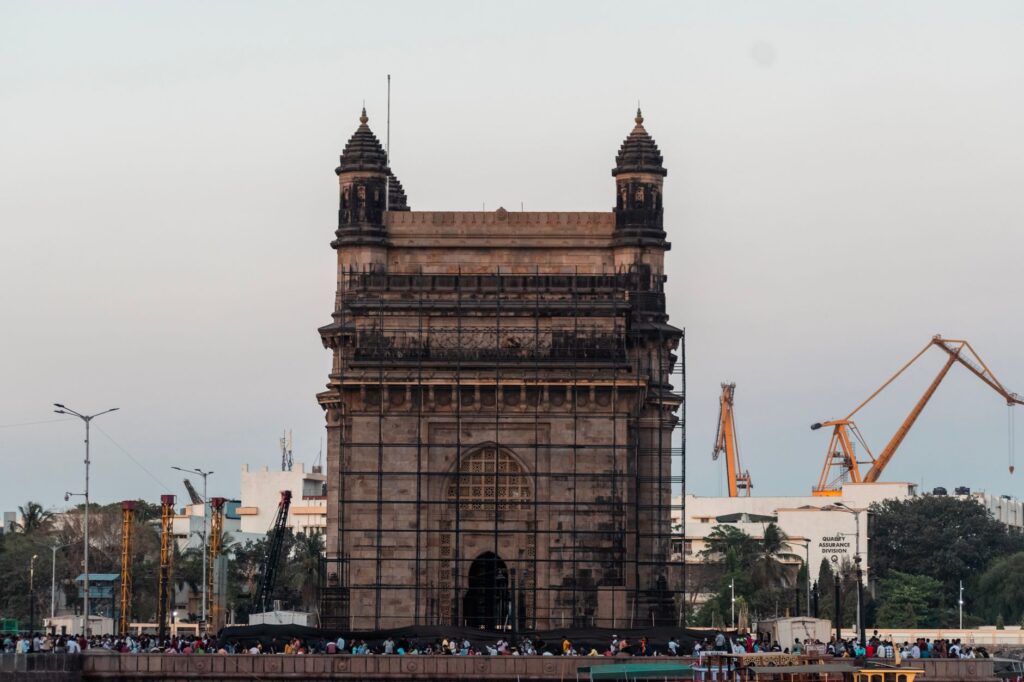
The Marco Rubio Mumbai visit has sparked significant debate and controversy, highlighting the complexities of U.S.-India relations. As the Senator engages with local leaders, reactions vary widely across the political spectrum.
Background on Marco Rubio’s Visit
Marco Rubio’s visit to Mumbai has sparked a mix of curiosity and controversy, drawing attention from both political analysts and the general public. As a prominent U.S. Senator, Rubio’s international engagements often carry significant weight, particularly in regions where diplomatic relations are complex.
The backdrop of this trip is rooted in the evolving dynamics between the United States and India. Over recent years, the two nations have sought to strengthen ties, especially in areas like trade, defense, and technology. However, Rubio’s visit comes at a time when U.S.-India relations face challenges, particularly concerning regional security issues and economic policies.
Critics of the visit argue that Rubio’s engagement in Mumbai may reinforce perceptions of American interference in Indian affairs. Supporters, on the other hand, view his presence as an opportunity to foster dialogue and enhance cooperation on pressing global challenges.
Key points regarding the implications of Rubio’s Mumbai visit include:
- Potential impact on U.S.-India economic relations
- Reactions from local political factions
- Broader geopolitical ramifications in South Asia
Reactions from Indian Politicians
The recent Marco Rubio Mumbai visit has sparked a flurry of reactions among Indian politicians, with opinions sharply divided. Many leaders expressed concern over the implications of his visit, highlighting the geopolitical nuances involved.
- Rahul Gandhi, leader of the Congress party, criticized Rubio’s visit as an attempt to meddle in India’s internal affairs, stating, “We must remain vigilant against foreign influences that seek to manipulate our democratic processes.”
- Smriti Irani, a prominent member of the ruling Bharatiya Janata Party, defended the visit, arguing that it signifies the strengthening of India-US relations. “Engagement with global leaders is essential for our national interests,” she remarked.
- Arvind Kejriwal, Chief Minister of Delhi, took a different stance, suggesting that such visits should focus on mutual cooperation rather than political agendas. “We welcome dialogue, but it should be constructive and respectful,” he emphasized.
As the political landscape shifts in response to the visit, it remains to be seen how these reactions will influence India’s foreign policy moving forward.
Public Sentiment in Mumbai
The visit of Marco Rubio to Mumbai has sparked a complex wave of public sentiment among residents and local commentators. While some inhabitants view the visit as an opportunity to strengthen US-India relations, others express concern over the implications of American political influence in local affairs.
Many supporters believe that Rubio’s presence could lead to beneficial economic partnerships and greater collaboration on global issues. They highlight the potential for increased investment and job creation in the region, viewing the Marco Rubio Mumbai visit as a positive step towards fostering international ties.
Conversely, critics argue that such visits can undermine India’s sovereignty and highlight the influence of foreign powers in domestic policy. They fear that the focus on geopolitical interests may overshadow pressing local issues, such as poverty and inequality. Some have taken to social media to voice their apprehensions, emphasizing the need for India to maintain its independence in decision-making.
Ultimately, the public sentiment surrounding Rubio’s visit reflects a divided opinion, showcasing the complexity of international diplomacy in a rapidly changing world.
Implications for U.S.-India Relations
The recent Marco Rubio Mumbai visit has raised important questions regarding the future of U.S.-India relations. As a prominent U.S. Senator, Rubio’s presence in India has been perceived as a double-edged sword, stirring both hope and concern among political analysts.
On one hand, many view his visit as a potential bridge toward strengthening ties between the two nations. The discussions surrounding trade, technology, and defense are seen as critical to enhancing bilateral cooperation. However, the implications of his visit are not universally positive.
- Political Sensitivity: Rubio’s remarks on domestic issues have sparked criticism, suggesting that external opinions could interfere with India’s sovereignty.
- Public Perception: The mixed reactions from the public indicate a divide in how such visits are perceived, with some welcoming increased dialogue and others feeling wary of foreign influence.
- Strategic Partnerships: The visit may also catalyze discussions on aligning strategies regarding regional security, particularly concerning mutual interests in the Indo-Pacific.
Ultimately, the long-term impact of Rubio’s visit will hinge on how both nations navigate these complex dynamics moving forward.
Future of Diplomatic Engagements
The recent Marco Rubio Mumbai visit has sparked discussions about the future of diplomatic engagements between the United States and India. As countries navigate their complex relationship, the implications of such visits cannot be understated. Observers note that while Rubio’s intentions may have been to strengthen ties, the reception he received indicates a need for more nuanced diplomacy.
Key areas of focus for future engagements include:
- Trade Relations: Enhancing economic cooperation could lead to mutual benefits.
- Security Collaboration: Addressing regional threats requires a unified front between the two nations.
- Cultural Exchange: Promoting people-to-people connections can foster goodwill and understanding.
Moreover, the mixed reactions to Rubio’s visit highlight the importance of considering local sentiments in diplomatic efforts. As both nations look forward, striking a balance between political agendas and public perception will be crucial for successful engagement. Ultimately, the outcome of this visit may set a precedent for future interactions, as both leaders and citizens assess the long-term impact of such high-profile visits.
The implications of the Marco Rubio Mumbai visit have sparked intense debate among political analysts. Critics argue that the Marco Rubio Mumbai visit could alter U.S.-India relations in unforeseen ways.
Photo by Shivam on Pexels
Read the original
GOP congressmember successor vote: Worst decision revealed · Renault Duster CNG: The Best Affordable Green Option · Air India flights suspension: Worst Delay in Travel Plans