
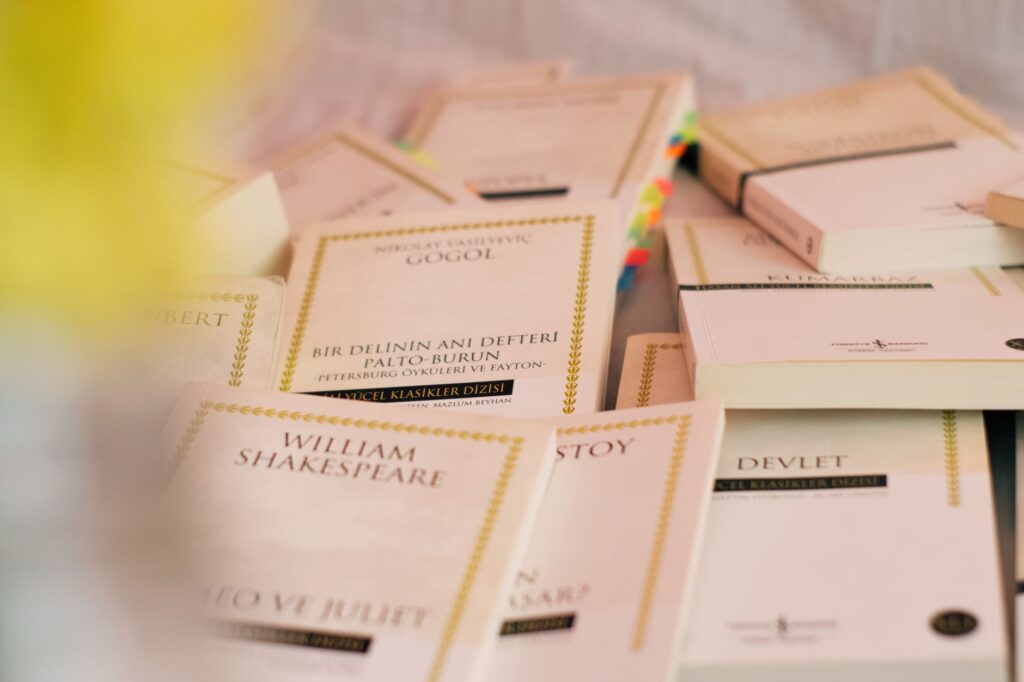
Nobel Prize in Literature has been awarded to Anne Carson for 2026, marking a significant milestone in her literary career. This recognition celebrates her profound contributions to the world of literature.
Overview of the Nobel Prize
The Nobel Prize in Literature is one of the most prestigious awards in the literary world, honoring authors who have made significant contributions to the field. Established in 1901, the prize is awarded annually by the Swedish Academy to writers from various genres and backgrounds, recognizing not only their body of work but also their impact on society and culture.
This year, in 2026, the Nobel Prize in Literature has been awarded to Anne Carson, a celebrated poet, essayist, and translator known for her innovative approach to language and form. Carson’s work often weaves classical themes with contemporary issues, making her a unique voice in modern literature.
Throughout its history, the Nobel Prize has celebrated a diverse range of authors, including novelists, playwrights, and poets. The selection process involves careful deliberation and is shrouded in secrecy, adding to the intrigue surrounding the announcement each year.
Some notable past winners include:
- Gabriel García Márquez for his magical realism
- Toni Morrison for her profound narratives
- Bob Dylan for his impactful songwriting
The Nobel Prize in Literature continues to inspire writers and readers alike, affirming the power of words in shaping human experience.
Anne Carson’s Literary Journey
Anne Carson’s journey to receiving the Nobel Prize in Literature in 2026 has been marked by a profound exploration of language and the human experience. Renowned for her innovative approach to poetry and prose, Carson has captivated readers and critics alike with her unique voice and perspective.
Her literary career began in the early 1990s, with the publication of Short Talks, a collection that showcased her distinctive style. Since then, Carson has continued to push the boundaries of literary form, blending elements of classical mythology with contemporary themes. Some of her most celebrated works include:
- Autobiography of Red – a novel in verse that reimagines the story of Geryon and Herakles.
- The Beauty of the Husband – a lyrical exploration of love and betrayal.
- Plainwater – a collection that intertwines poetry and essays.
Throughout her career, Carson has been praised for her ability to weave together disparate elements into cohesive narratives. Winning the Nobel Prize in Literature not only recognizes her contributions but also solidifies her place among the literary greats of our time.
Impact of the 2026 Nobel Prize
The impact of the 2026 Nobel Prize in Literature, awarded to Anne Carson, reverberates through the literary world, highlighting the significance of her unique voice and innovative approach to poetry and prose. Carson’s win not only celebrates her individual contributions but also emphasizes the evolving landscape of contemporary literature.
One of the most notable aspects of this award is how it brings attention to themes of identity, memory, and transformation. Carson’s work often blurs the lines between genres, encouraging readers to explore the fluidity of language and the human experience. The Nobel Prize in Literature serves as a platform to amplify these themes, inspiring both writers and readers to engage with literature in new and profound ways.
Furthermore, the selection of Carson as the laureate has sparked discussions about the role of women in literature, as well as the importance of diverse voices in shaping cultural narratives. Many literary critics and enthusiasts view her achievement as a triumph for marginalized perspectives, paving the way for future generations of authors.
As the literary community reflects on the implications of the 2026 Nobel Prize in Literature, it is clear that Carson’s influence will continue to resonate for years to come.
Reactions from the Literary Community
The announcement of Anne Carson as the recipient of the Nobel Prize in Literature for 2026 has sparked a wave of reactions from the literary community, highlighting both her impact on contemporary literature and the significance of this honor.
- Celebration of Innovation: Many authors have praised Carson for her innovative approach to poetry and prose. Renowned poet Mark Doty stated, “Anne’s work transcends traditional boundaries, inviting readers into a world of complexity and beauty.“
- Recognition of Diversity: Critics have noted that Carson’s win represents a broader recognition of diverse voices in literature. Literary critic Alice Walker remarked, “Her unique perspective enriches our understanding of the human experience.“
- Influence and Inspiration: Emerging writers expressed their admiration, with many citing Carson as a source of inspiration. Young poet Mia Chen shared, “Her ability to weave language into profound connections inspires me to explore my own voice.“
As the literary world reflects on the significance of the 2026 Nobel Prize in Literature, it is clear that Anne Carson’s legacy will continue to shape discussions and inspire future generations of writers.
Previous Winners of the Nobel Prize
The Nobel Prize in Literature has a rich history of recognizing exceptional literary talents from around the world. This prestigious award has been bestowed upon a myriad of authors, each contributing uniquely to the literary landscape. Below are some notable previous winners who have left an indelible mark on literature:
- Gabriel García Márquez (1982) – Renowned for his magical realism, his works such as One Hundred Years of Solitude have captivated readers globally.
- Toni Morrison (1993) – The first African American woman to receive the Nobel Prize in Literature, she was celebrated for her powerful storytelling in books like Beloved.
- Haruki Murakami (2017) – Known for his surreal narratives, Murakami’s novels often blend the mundane with the extraordinary.
- Peter Handke (2019) – An influential voice in contemporary literature, his work explores themes of language and existence.
- Olga Tokarczuk (2018) – Recognized for her narrative imagination, her stories often delve into history and identity.
With Anne Carson joining this esteemed list as the 2026 Nobel Prize in Literature winner, her unique voice will undoubtedly add to the ongoing legacy of this prestigious accolade.
Significance of Literature Awards
The significance of literature awards extends far beyond mere recognition; they serve as a beacon for the literary community and society at large. The Nobel Prize in Literature is one of the most prestigious accolades, illuminating the work of authors who challenge norms and provoke thought. In 2026, Anne Carson’s win has reignited discussions on the transformative power of literature.
Literature awards play a crucial role in highlighting diverse voices and bringing attention to underrepresented narratives. They encourage writers to explore complex themes and foster cultural dialogue, making literature accessible to broader audiences. The impact of these awards can be profound, influencing readers’ perceptions and inspiring future generations of writers.
Moreover, the visibility gained through such accolades often leads to increased readership and sales for the winners. This not only benefits the authors but also enriches the literary landscape. The Nobel Prize in Literature, in particular, has a history of elevating works that resonate deeply with the human experience, creating a lasting legacy.
As we celebrate the achievements of writers like Anne Carson, it is essential to recognize the ongoing relevance of literary awards in shaping culture and discourse in today’s world.
Future of Literature in 2026
The future of literature in 2026 appears to be bright, especially following the recent announcement of the Nobel Prize in Literature awarded to Anne Carson. This prestigious recognition not only highlights Carson’s unique contributions but also reflects a broader trend in literary innovation and diversity.
As we look ahead, several key elements are likely to shape the literary landscape:
- Emergence of New Voices: The continued rise of underrepresented authors promises to enrich our understanding of human experiences and cultural narratives.
- Interdisciplinary Approaches: Literature is increasingly intersecting with other art forms, such as visual arts and performance, creating dynamic and multifaceted works.
- Digital Transformation: The growth of digital platforms is transforming how literature is consumed, allowing for greater accessibility and the rapid spread of ideas.
- Global Perspectives: Literature from diverse geographical regions is gaining prominence, fostering a more inclusive dialogue within the global literary community.
With the Nobel Prize in Literature continuing to shine a spotlight on innovative talents like Carson, the future of literature in 2026 promises to be an exciting chapter for readers and writers alike.
Photo by Berna on Pexels