
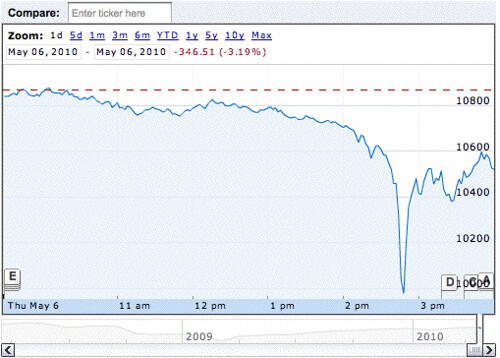
Stock market today is marked by a significant downturn as the Dow falls 500 points, reflecting broader concerns over rising Treasury yields.
Market Overview
The stock market today experienced a significant downturn, with the Dow Jones Industrial Average dropping over 500 points amid rising Treasury yields. This surge in yields, reaching a 24-year high, has heightened concerns among investors, leading to a widespread retreat in major indices.
As a result, both the S&P 500 and Nasdaq also saw declines, pulling back from their recent record highs. Market analysts attribute this volatility to increasing inflation expectations and the potential for tighter monetary policy.
Investors are particularly wary of the implications of rising interest rates on economic growth, prompting a cautious approach in trading. The following factors are contributing to the current market conditions:
- Rising Treasury Yields: Increased borrowing costs impacting corporate profits.
- Inflation Concerns: Persistent price increases affecting consumer spending.
- Geopolitical Tensions: Ongoing global uncertainties influencing market sentiments.
Overall, the stock market today reflects a climate of uncertainty as investors adjust to these economic signals.
Reasons Behind the Dow Drop
The stock market today experienced a significant downturn, primarily driven by a surge in Treasury yields, which reached their highest levels in 24 years. This unexpected spike has triggered concerns among investors about rising borrowing costs and potential economic slowdowns.
Several factors contributed to the Dow’s drop of 500 points:
- Interest Rate Expectations: The market reacted sharply to the Federal Reserve’s signals regarding potential interest rate hikes, leading to a sell-off in stocks.
- Inflation Concerns: Persistent inflation has pressured consumers and businesses alike, raising fears that the economy might not sustain its recovery.
- Geopolitical Tensions: Ongoing international conflicts and uncertainties have exacerbated market volatility, unsettling investors.
- Profit-Taking: Following a period of substantial gains, many traders chose to lock in profits, further driving the market downward.
These elements combined have created a challenging environment for investors, as they navigate the complexities of the current financial landscape.
Impact of Treasury Yields
The recent surge in Treasury yields has significantly influenced the stock market today, contributing to the sharp decline observed in major indices. Investors are reacting to the rising costs of borrowing, which have led to increased volatility across equity markets.
As yields on 10-year Treasury notes reached a 24-year high, many market participants are reassessing their portfolios. The implications of these rising yields are profound, prompting a flight from riskier assets as traders seek safer investments.
- Increased borrowing costs: Higher yields signify more expensive loans for consumers and businesses, which could slow economic growth.
- Impact on tech stocks: Growth-oriented sectors, particularly technology, are particularly sensitive to interest rate changes, leading to declines in stock prices.
- Market sentiment: The prevailing sentiment among investors is cautious, as many are bracing for potential further rate hikes from the Federal Reserve.
The confluence of these factors underscores the intricate relationship between Treasury yields and the stock market today, as traders navigate uncertainty in the financial landscape.
S&P 500 and Nasdaq Performance
The stock market today saw significant declines in both the S&P 500 and Nasdaq as investors reacted to rising Treasury yields. The S&P 500 fell by 1.8%, while the Nasdaq experienced a sharper decline of 2.4%, marking a notable retreat from their recent record highs.
Market analysts attribute these losses to a combination of factors that have intensified investor concerns:
- Increased Treasury Yields: With yields reaching a 24-year high, many investors are shifting their focus away from stocks, seeking safer returns in bonds.
- Inflation Worries: Persistent inflation continues to pressure market sentiment, leading to uncertainty about future interest rate hikes.
- Profit-Taking: Following a prolonged rally, some investors are opting to lock in profits, contributing to the downward momentum.
As the trading day progresses, market participants are closely monitoring developments in the bond market, which could further influence the stock market today and beyond.
Investor Reactions
Investor reactions to the stock market today have been marked by a mix of anxiety and cautious optimism. Many traders expressed concern over the significant drop in the Dow, which fell 500 points, a stark reflection of growing fears surrounding rising Treasury yields.
In light of the recent market turmoil, some investors have shifted their strategies. Portfolio diversification has become a key focus, with many looking to hedge against further volatility. A few notable reactions include:
- Increased interest in defensive stocks: Investors are gravitating towards sectors that typically perform well during economic downturns.
- Heightened cash reserves: Many traders are opting to hold more cash, waiting for a clearer market direction before making significant moves.
- Analysts’ projections: Some experts believe that the market may stabilize in the coming weeks, urging investors not to panic.
As the day progresses, the sentiment remains cautious, with many keeping a close eye on how the stock market today will unfold.
Future Market Predictions
As investors assess the current climate, future market predictions are becoming increasingly vital. Analysts suggest that the stock market today may continue to experience volatility, particularly as rising Treasury yields exert pressure on equity valuations.
Several key factors are influencing forecasts:
- Interest Rates: The Federal Reserve’s stance on interest rates remains a significant concern. Continued hikes could lead to further declines in the stock market.
- Corporate Earnings: Future earnings reports will play a crucial role in shaping investor sentiment. Strong performance could bolster market confidence, while disappointing results may exacerbate the current downturn.
- Global Economic Trends: International events, including geopolitical tensions and supply chain disruptions, are expected to impact market dynamics significantly.
- Inflation Data: Upcoming inflation reports will be closely monitored, as persistent inflation could lead to more aggressive monetary policy.
Investors are urged to stay informed and prepared for a potentially turbulent period ahead in the stock market today.
Historical Context
The stock market today reflects a turbulent backdrop reminiscent of previous financial downturns, particularly during periods of rising interest rates. Historically, significant shifts in Treasury yields have often preceded notable declines in equity markets. This pattern can be traced back to the early 1980s when inflation led to aggressive rate hikes by the Federal Reserve, ultimately triggering a bear market.
The recent surge in Treasury yields, hitting a 24-year high, has raised concerns among investors about the sustainability of stock valuations. In the late 1990s, similar dynamics led to the bursting of the dot-com bubble, as high growth in technology stocks could not withstand the pressure of increased borrowing costs.
Moreover, during the 2008 financial crisis, rising yields were a precursor to significant market volatility. As investors digest the implications of today’s changing economic landscape, the parallels to these historical events serve as a cautious reminder of the fragility of the stock market today.
Conclusion
In conclusion, the stock market today has witnessed significant volatility, with the Dow dropping 500 points primarily due to rising Treasury yields. This surge in yields, reaching levels not seen in over two decades, has caused widespread concern among investors, prompting a shift in sentiment and strategy. The S&P 500 and Nasdaq have also retreated from their recent records, further illustrating the challenges faced by the market.
As investors process the implications of these changes, many are reevaluating their portfolios and risk exposure. The historical context of such yield fluctuations suggests that the market may remain under pressure as long as interest rates continue to climb. Analysts predict that cautious trading will prevail in the short term, with many looking for signs of stabilization before committing to new investments.
Ultimately, the interplay between Treasury yields and stock performance will be crucial in shaping market dynamics in the coming weeks. Investors must stay informed and ready to adapt to the evolving landscape of the stock market today.
By scriptingnews via Openverse
Sources
You might also like
Protect Your Brain: What Are the Best Daily Habits for Safety? · AI readiness India: Best Proven Strategies for Growth · Distribute More Than You Earn: The Real Cost of Overspending