
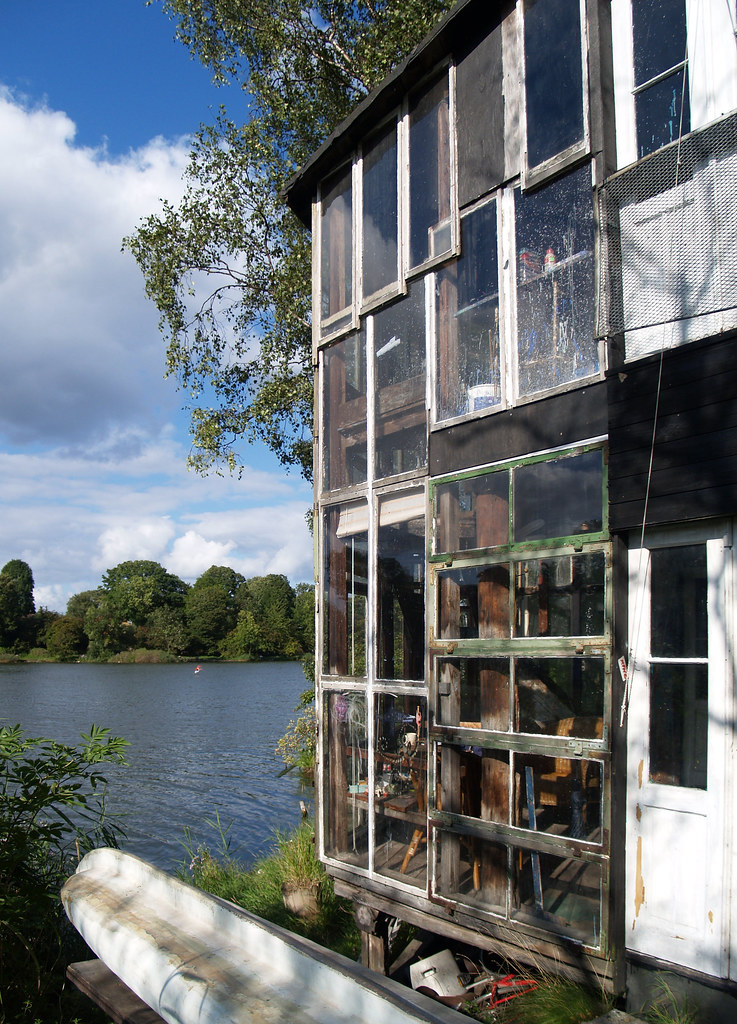
Architectural heritage threat is increasingly recognized as a significant issue. As the world evolves, the preservation of our historical structures faces numerous challenges that could lead to irreversible damage.
Understanding the architectural heritage threat
The architectural heritage threat is a pressing issue that affects not only the aesthetic beauty of our cities but also the cultural identity of communities around the world. As urban development accelerates, many historic structures face the risk of demolition or neglect.
Several factors contribute to this alarming trend:
- Urbanization: Rapid population growth leads to increased demand for housing and infrastructure, often at the expense of significant historical landmarks.
- Economic pressures: In many cases, the financial incentive to replace old buildings with new developments outweighs the costs of preservation.
- Lack of awareness: Many people do not understand the value of architectural heritage, viewing old buildings as outdated rather than as integral parts of our history.
- Climate change: Natural disasters and changing weather patterns pose additional risks to already vulnerable historic sites.
Addressing the architectural heritage threat requires a collective effort from governments, communities, and individuals to promote preservation and raise awareness of the importance of maintaining our historical sites.
Why preservation matters
Preserving our architectural heritage is crucial for several reasons. First and foremost, it allows us to maintain a tangible connection to our past. Buildings and structures serve as physical reminders of our history and culture, telling the stories of those who came before us. Without preservation, we risk losing these narratives and, ultimately, our identity.
Moreover, architectural heritage contributes significantly to local economies. Historic sites often attract tourists, generating revenue for communities. When these sites are neglected or destroyed, the economic benefits vanish, leaving locals without essential resources.
Additionally, preserving architectural heritage fosters a sense of community pride. People often feel a deep emotional connection to iconic buildings and landmarks, which can enhance civic engagement and social cohesion. They symbolize shared experiences and values that bind us together.
Finally, the architectural heritage threat underscores the importance of sustainable development. By integrating historic preservation into urban planning, we can create spaces that honor our past while accommodating modern needs. This balance is vital for fostering vibrant communities that respect history while embracing the future.
Simple steps to protect our heritage
Protecting our architectural heritage is essential for preserving the stories and cultures that shape our communities. Here are some simple steps individuals and organizations can take to safeguard this invaluable resource:
- Stay Informed: Awareness of the architectural heritage threat is crucial. Educate yourself and others about the significance of local historic sites and the risks they face.
- Advocate for Preservation: Support local and national efforts to create policies that protect historical buildings. Engage with community groups focused on preservation.
- Participate in Restoration Projects: Volunteering your time and skills for restoration initiatives can make a significant difference in maintaining architectural integrity.
- Promote Sustainable Practices: Encourage the use of environmentally friendly materials and methods in restoration projects to ensure longevity and minimal impact on the original structure.
- Share Your Knowledge: Organize workshops or talks to raise awareness about the importance of architectural heritage and the threats it faces.
By taking these steps, we can collectively mitigate the architectural heritage threat and ensure that future generations can appreciate our shared history.
Global examples of heritage loss
Across the globe, numerous instances reflect the alarming trend of architectural heritage threat. Cities and regions are witnessing the rapid erosion of their historical structures, often due to urban development and neglect. Some notable examples include:
- Palmyra, Syria: Once a thriving oasis city, Palmyra faced severe destruction during the Syrian Civil War, leading to the loss of irreplaceable Roman ruins.
- Angkor, Cambodia: The ancient temples of Angkor are at risk due to environmental factors and tourism pressure, threatening their structural integrity.
- Venice, Italy: Rising sea levels and increasing tourism have raised concerns about the future of Venice’s iconic architecture, jeopardizing centuries of history.
- Bagan, Myanmar: The region’s thousands of ancient pagodas have suffered damage from natural disasters and inadequate preservation efforts.
These examples underscore the urgent need for global awareness and action to combat the architectural heritage threat. Without proactive measures, we risk losing not only physical structures but also the cultural narratives they embody.
By seier+seier via Openverse
Where this came from
Related stories
PGIMER superannuation ceremony: Is it the best way to honor officials? · Mumbai property registrations: Best proven trends in 2026 · Saurabhvanvihar News: The Real Impact on Local Communities