
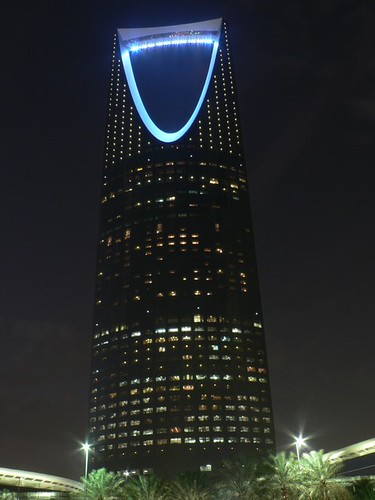
The Riyadh office building showcases innovative energy consumption strategies that significantly impact climate scenario sensitivity. This analysis highlights operational life cycle costs and thermal comfort indicators derived from simulations.
Understanding Climate Scenario Sensitivity
Understanding the climate scenario sensitivity of the Riyadh office building is crucial for assessing its energy efficiency. Recent studies indicate that various climate scenarios can significantly impact energy consumption and operational life cycle costs. By simulating different climate conditions, researchers have been able to derive thermal comfort indicators that reflect how well the building performs under changing environmental factors.
Key aspects of the analysis include:
- Energy Consumption: Variations in temperature and humidity levels affect heating and cooling demands.
- Operational Life Cycle Cost: Long-term financial implications are influenced by energy efficiency strategies.
- Thermal Comfort Indicators: These metrics help evaluate occupant satisfaction and productivity.
Overall, understanding these sensitivities ensures that the Riyadh office building can adapt to future climate challenges while maintaining energy efficiency and comfort for its occupants.
Energy Consumption in Office Buildings
Energy consumption in office buildings is a critical factor in evaluating their overall sustainability and efficiency. In the case of the Riyadh office building, understanding its energy performance can provide insights into how well it adapts to the local climate. Factors such as insulation, building materials, and energy-efficient systems play significant roles in minimizing energy use.
According to recent studies, the design and operational strategies of office buildings directly impact their energy consumption levels. A focus on renewable energy sources, like solar panels, can further enhance energy efficiency. Additionally, smart building technologies that monitor and optimize energy use contribute to lowering operational costs and carbon footprints.
- Incorporation of passive solar design
- Use of high-efficiency HVAC systems
- Implementation of energy management systems
By addressing these aspects, the Riyadh office building can serve as a model for future constructions aiming for improved energy efficiency.
Operational Life Cycle Costs Explained
The operational life cycle costs of the Riyadh office building are a critical aspect of its overall energy efficiency. These costs encompass several components that contribute to the building’s financial sustainability throughout its lifespan.
Key elements of operational life cycle costs include:
- Energy Costs: The ongoing expenses related to electricity and heating, which can be significantly reduced through efficient design and technology.
- Maintenance Costs: Regular upkeep and repairs that ensure the building remains functional and energy-efficient over time.
- Water Usage: Efficient water management systems can lower costs and reduce the environmental impact.
- Replacement Costs: Investments in materials and systems that may require periodic updates or replacements.
An in-depth understanding of these factors is essential for evaluating the true cost-effectiveness of the Riyadh office building in terms of energy efficiency and sustainability.
Thermal Comfort Indicators Overview
In evaluating the thermal comfort indicators of the Riyadh office building, several key factors emerge that influence both occupant satisfaction and energy efficiency. Understanding these indicators is essential for optimizing the indoor environment, especially in a region characterized by extreme temperatures.
Key thermal comfort indicators include:
- Temperature Regulation: Maintaining a consistent indoor temperature that aligns with occupant preferences.
- Humidity Control: Managing humidity levels to prevent discomfort and promote health.
- Air Quality: Ensuring adequate ventilation and minimizing pollutants that can affect comfort.
- Radiant Temperature: Considering the impact of radiant heat from windows and walls on overall comfort.
These factors collectively contribute to the overall energy performance of the Riyadh office building, making it a critical aspect of designing spaces that prioritize both efficiency and occupant well-being.
The Importance of Sustainable Design
The significance of sustainable design in modern architecture cannot be overstated, especially in regions like Riyadh where extreme temperatures pose unique challenges. An efficient Riyadh office building not only reduces energy consumption but also enhances the overall comfort of its occupants. Sustainable design principles integrate various elements, such as natural ventilation, solar shading, and high-performance insulation, to minimize reliance on artificial heating and cooling systems.
Moreover, the adoption of renewable energy technologies, like solar panels, plays a crucial role in achieving energy efficiency. By harnessing local resources, office buildings can significantly decrease their carbon footprint. Furthermore, sustainable design contributes to lower operational life cycle costs, making it a financially viable choice for developers and businesses alike.
As cities continue to grow, prioritizing environmentally friendly and sustainable practices in construction will be essential for creating resilient urban spaces that support both economic and ecological goals.
Future Trends in Building Efficiency
The future of building efficiency is rapidly evolving, particularly for the Riyadh office building sector. As urbanization continues to expand, architects and developers are increasingly focusing on integrating advanced sustainable technologies into their designs.
Key trends are emerging that emphasize:
- Smart Building Technologies: The integration of IoT devices allows for real-time monitoring of energy usage, enhancing operational efficiency.
- Renewable Energy Sources: Solar panels and wind turbines are becoming standard features, significantly reducing dependency on non-renewable energy.
- Green Materials: Using recycled or sustainably sourced building materials minimizes environmental impact while promoting health and well-being.
- Adaptive Reuse: Transforming existing structures into energy-efficient office buildings reduces waste and conserves resources.
These innovations are not only beneficial for the environment but also contribute to lower operational costs, making the Riyadh office building a model for future developments in energy efficiency.
By Snap® via Openverse
Read the original
Student Lost During School of the Wild: Clear Search Efforts · Tusked mammal discovery: Proven insights on dinosaur timeline · Is Compliance Monitoring Update the Worst Risk Management Strategy?