
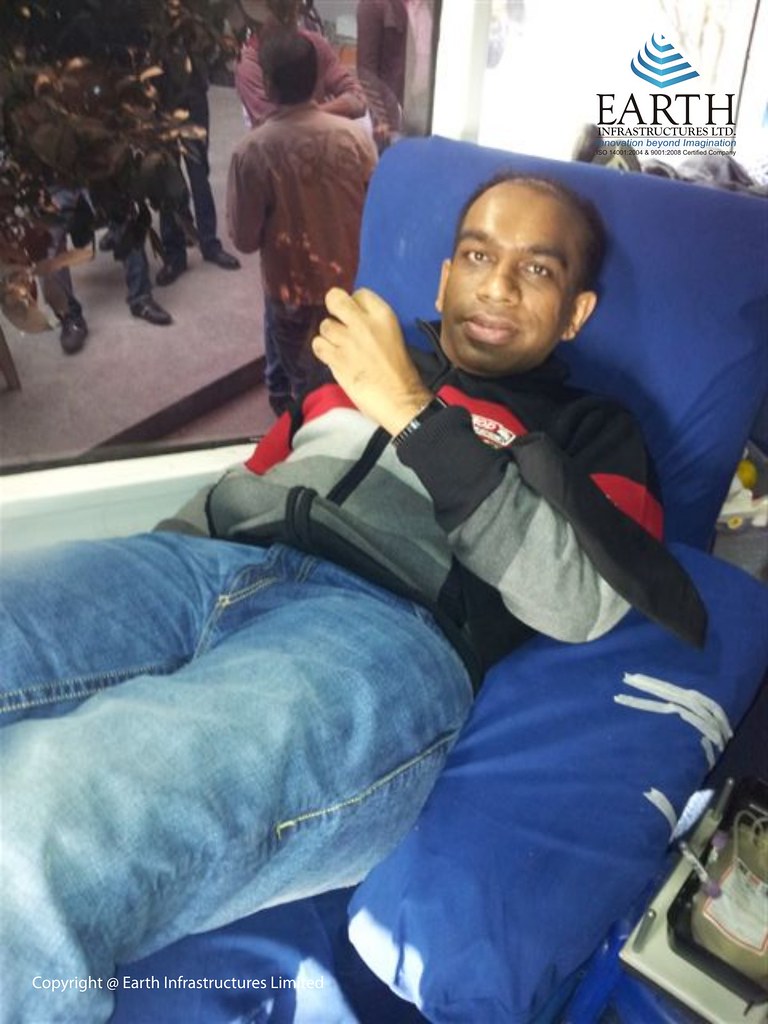
The blood donation camp today is an excellent opportunity for individuals to contribute to their community. Participating can have a profound impact on those in need.
What is a Blood Donation Camp?
A blood donation camp is an organized event where individuals voluntarily donate blood to help those in need. These camps are typically held in community centers, schools, or workplaces to encourage local participation and promote the importance of blood donation.
During a blood donation camp, trained medical professionals oversee the process, ensuring that it is safe and efficient. Donors are usually welcomed with informative sessions about the benefits of donating blood, eligibility criteria, and the donation process itself.
In addition to collecting blood, these camps often aim to raise awareness about blood-related health issues and the ongoing demand for blood in hospitals. Some key aspects of blood donation camps include:
- Community Engagement: They foster a sense of unity and encourage civic responsibility.
- Health Benefits: Donating blood can have health benefits for the donor, including reduced risk of certain diseases.
- Emergency Preparedness: Regular camps help maintain a stable blood supply for emergencies.
Participating in a blood donation camp is a simple yet profound way to save lives.
Benefits of Donating Blood
Participating in a blood donation camp offers numerous benefits, not just for the recipients but also for the donors. Here are some key advantages:
- Saving Lives: Each donation can save up to three lives, making a significant impact on the community.
- Health Benefits: Donating blood can help lower the risk of certain diseases, including heart disease and cancer, by reducing iron levels in the body.
- Free Health Screening: Donors receive a mini-health check-up, including blood pressure, hemoglobin levels, and other vital indicators.
- Emotional Satisfaction: Knowing that you have helped someone in need brings a sense of fulfillment and can enhance mental well-being.
- Community Engagement: Blood donation camps foster a sense of community and encourage people to come together for a noble cause.
By participating in a blood donation camp, individuals not only contribute to saving lives but also enjoy these personal and communal benefits.
How to Prepare for Donation
Preparing for a blood donation camp is essential to ensure a smooth and successful donation experience. Here are some tips to help you get ready:
- Stay Hydrated: Drink plenty of water before the donation. Being well-hydrated makes it easier for blood to flow and reduces the risk of fainting.
- Eat a Healthy Meal: Have a balanced meal a few hours before your donation. Focus on iron-rich foods like spinach, red meat, or beans to boost your iron levels.
- Avoid Caffeine and Alcohol: Steering clear of caffeinated beverages and alcohol the day before the blood donation camp can help maintain your hydration and overall health.
- Get Enough Sleep: A good night’s sleep is vital. Ensure you rest well the night before to feel energetic and alert during the donation.
- Wear Appropriate Clothing: Choose a short-sleeved shirt or one that can easily be rolled up, as your arm will need to be accessible for the donation.
By following these guidelines, you can maximize your contribution and help save lives at the blood donation camp.
Safety Measures at Donation Camps
Ensuring the safety of all participants is a top priority at blood donation camps. Organizers implement several key measures to create a secure environment for donors and staff alike.
- Health Screening: Prior to donating, each individual undergoes a thorough health screening. This process includes checking vital signs and discussing medical history to ensure eligibility.
- Sanitation Protocols: Donation areas are meticulously cleaned and sanitized. All equipment used during the process is sterile and disposed of properly, minimizing any risk of infection.
- Trained Staff: Only qualified medical professionals oversee the donation process. They are trained to handle emergencies and provide immediate care if necessary.
- Post-Donation Care: After donating, participants are monitored for a short period. Nutritional snacks and beverages are offered to help replenish energy levels.
Moreover, adhering to these safety measures ensures that today’s blood donation camp remains a safe and welcoming place for everyone involved, making it easier for individuals to contribute to this vital cause.
Who Can Donate Blood?
Participating in a blood donation camp is a noble endeavor, but it’s important to ensure that you meet certain eligibility criteria before donating. Generally, the following individuals can donate blood:
- Age: Donors should be at least 18 years old, although some camps may allow 16 or 17-year-olds with parental consent.
- Weight: A minimum weight of 110 pounds (50 kg) is typically required to ensure the safety of both the donor and the recipient.
- Health: Donors should be in good health and free from any medical conditions that could affect their ability to donate safely.
- Medication: Certain medications may disqualify a donor temporarily or permanently, so it’s important to disclose any medications you are taking.
- Time Since Last Donation: Individuals must wait at least 56 days between whole blood donations.
If you meet these criteria, consider attending the blood donation camp today. Your contribution can save lives and make a significant impact in the community.
Impact of Blood Donation
The impact of blood donation extends far beyond just saving lives. Every unit of blood donated can assist multiple patients in need, making the act of donating an incredibly powerful gesture. A blood donation camp is not just an opportunity to help those in critical situations; it also fosters a sense of community and solidarity among participants.
When individuals come together for a common cause, such as a blood donation camp, they create an environment that encourages others to participate. This collective effort can significantly increase the availability of blood supplies in hospitals, especially during emergencies when demand surges. Moreover, each donation can help treat various medical conditions, ranging from trauma cases to chronic illnesses.
In addition to the immediate effects on patients, blood donation camps also raise awareness about the importance of regular donations. They educate the public on how easy and safe the process is, ultimately leading to a more informed and engaged community. By participating in today’s blood donation camp, you are contributing to a life-saving mission that has lasting benefits for countless individuals.
Upcoming Donation Events
As communities come together to support health initiatives, several upcoming donation events are set to take place in the coming weeks. These events provide an excellent opportunity for individuals to contribute to the well-being of others through voluntary blood donation.
- Citywide Blood Donation Drive: Scheduled for next Saturday, this drive will be held at various locations throughout the city, making it convenient for people to participate.
- College Campus Blood Drive: Aimed at engaging students, this event will be held on Tuesday at the main quad, encouraging young adults to become active donors.
- Community Health Fair: Taking place on the first weekend of next month, this fair will feature a blood donation camp alongside health screenings and educational workshops.
Participating in a blood donation camp is not just about giving blood; it’s about saving lives and fostering a spirit of community. Each donation can make a significant difference, especially in times of need. Mark your calendars and consider making a commitment to help those in need.
Volunteer Opportunities at Camps
Volunteering at a blood donation camp is a rewarding experience that allows individuals to contribute meaningfully to their communities. There are various roles that volunteers can take on, each playing a crucial part in the success of the camp.
- Registration Assistants: Volunteers help manage the flow of donors by registering them and ensuring that all necessary paperwork is completed.
- Refreshment Coordinators: After donating blood, donors need to replenish their energy. Volunteers can provide snacks and drinks to help them recover.
- Awareness Advocates: These volunteers focus on educating the public about the importance of blood donation and encouraging people to participate in the camp.
- Setup and Cleanup Crew: A team is needed to set up the camp before it starts and to clean up afterward, ensuring everything runs smoothly.
Participating as a volunteer at a blood donation camp not only enhances the experience for donors but also fosters a sense of community and teamwork, proving that helping others can be a fulfilling endeavor.
By Earth Infrastructures via Openverse